In the grand tapestry of human innovation, few threads shimmer with as much transformative potential as the quest for sustainable energy. As the specter of climate change looms, demanding unprecedented shifts in our global energy paradigm, the spotlight increasingly turns towards novel, resilient, and intrinsically clean power sources. Among these, Small Modular Reactors (SMRs) are emerging not merely as an alternative, but as a pivotal architect of our energy future, promising a paradigm shift in nuclear power generation. This document, archived within the Autonomous Archive, delves into the intricate development trends of SMR technology and analyzes its profound potential as the next generation of clean energy.
The energy landscape is in flux. Decades of reliance on fossil fuels have undeniably powered industrial revolutions and economic growth, but at an unsustainable cost to our planet’s delicate ecosystem. The urgent need for decarbonization has catalyzed a fervent pursuit of cleaner alternatives, ranging from intermittent renewables like solar and wind to the more consistent, yet often debated, nuclear power. It is within this dynamic context that SMRs are carving out a significant niche, offering a compelling blend of nuclear’s low-carbon output with enhanced safety, flexibility, and economic viability.
I. The Evolution of Nuclear: From Gigascale to Modularity
Traditional nuclear power, characterized by its large-scale, gigawatt-class reactors, has long been a cornerstone of low-carbon electricity generation. However, the immense upfront capital investment, lengthy construction timelines, and complex regulatory hurdles associated with these massive facilities have presented significant challenges to widespread deployment. SMRs represent a fundamental reimagining of this paradigm. Designed with modularity and scalability at their core, SMRs typically have an electrical output of less than 300 MWe per module, with many designs falling below 100 MWe. This reduction in scale brings a cascade of advantages:
- Enhanced Safety Features: SMR designs often incorporate advanced passive safety systems that rely on natural forces like gravity and convection, significantly reducing the reliance on active mechanical systems and human intervention. This inherent safety is a critical selling point in a post-Fukushima world.
- Economic Efficiencies: Factory fabrication of modular components allows for streamlined production, improved quality control, and reduced on-site construction times. This not only lowers upfront costs but also offers greater cost predictability.
- Site Flexibility: Their smaller footprint and reduced cooling water requirements allow SMRs to be sited in a wider range of locations, including remote areas, or co-located with existing industrial facilities, enabling decentralized energy grids.
- Versatile Applications: Beyond electricity generation, SMRs can provide process heat for industrial applications, desalination, hydrogen production, and district heating, broadening their economic and societal impact.

A sleek, futuristic rendering of a small modular reactor complex nestled in a serene, natural landscape, symbolizing harmony between advanced technology and environmental sustainability.
II. Key Development Trends in SMR Technology
The SMR landscape is a vibrant ecosystem of innovation, with a diverse array of reactor designs and technological approaches being pursued globally. These trends underscore the technology’s rapid maturation and its alignment with future energy demands:
A. Advanced Reactor Designs and Fuel Cycles
While Light Water Reactors (LWRs) form the basis of many early SMR designs, a significant portion of ongoing research and development is focused on more advanced concepts:
- High-Temperature Gas-Cooled Reactors (HTGRs): These reactors utilize helium as a coolant and graphite as a moderator, allowing for higher operating temperatures. This enables greater thermal efficiency and opens up possibilities for direct industrial heat applications. Companies like X-energy are making significant strides in this area.
- Molten Salt Reactors (MSRs): MSRs offer the potential for enhanced safety due to their liquid fuel, which can halt the reaction if temperatures rise too high. They also present opportunities for recycling spent nuclear fuel and operating on a wider range of fuel types, including thorium.
- Sodium-Cooled Fast Reactors (SFRs): These designs can effectively breed new fuel from fertile materials and burn long-lived radioactive waste, offering a potential pathway towards a more sustainable nuclear fuel cycle.
A cross-section diagram illustrating the internal components and heat transfer mechanisms of a High-Temperature Gas-Cooled Reactor (HTGR), highlighting its advanced design principles.
B. Integration with Digital Technologies and AI
The principles of advanced modeling, autonomous systems, and intelligent data analysis, akin to those driving personalized wellness and cyber defense, are increasingly being integrated into SMR development. This synergy is crucial for optimizing performance, enhancing safety, and streamlining operations.
- AI-Driven Predictive Maintenance: Machine learning algorithms can analyze vast amounts of sensor data from SMR components to predict potential failures before they occur, minimizing downtime and ensuring operational reliability. This mirrors the proactive health management strategies seen in personalized wellness.
- Advanced Simulation and Modeling: Sophisticated digital twins and AI-powered simulations allow for rigorous testing and optimization of SMR designs and operational scenarios in a virtual environment, accelerating the development process and reducing risks. This is reminiscent of AI-driven modeling for resilient futures.
- Enhanced Control Systems: AI can contribute to more sophisticated and responsive control systems, optimizing reactor performance and safety margins in real-time.
C. Regulatory Harmonization and Streamlining
A critical enabler for SMR deployment is the development of clear, efficient, and internationally harmonized regulatory frameworks. Organizations like the International Atomic Energy Agency (IAEA) are playing a pivotal role in establishing safety standards and guidance for SMR licensing, recognizing the unique characteristics of these smaller, often passively safe, designs.
III. The Unparalleled Potential of SMRs as a Next-Generation Clean Energy Source
The confluence of technological advancements and strategic deployment considerations positions SMRs as a formidable contender in the global transition to clean energy. Their potential extends far beyond simply generating electricity:
A. Decarbonization and Climate Change Mitigation
Nuclear power, by its very nature, is a low-carbon energy source, emitting virtually no greenhouse gases during operation. SMRs, with their potential for rapid deployment and integration, can significantly contribute to decarbonizing the electricity sector and achieving ambitious climate targets. Their ability to provide baseload power complements intermittent renewables, ensuring grid stability and reliability even as the energy mix diversifies.
B. Energy Security and Independence
For many nations, SMRs offer a pathway to enhanced energy security and reduced reliance on volatile global fuel markets. By providing a stable, domestic source of clean energy, SMRs can bolster national energy independence and resilience.
C. Economic Development and Industrial Revitalization
The manufacturing, construction, and operation of SMRs create high-skilled jobs and stimulate economic growth. Furthermore, their ability to provide reliable, low-cost heat for industrial processes can revitalize manufacturing sectors and enable the production of low-carbon hydrogen, a key enabler for decarbonizing transportation and heavy industry. This mirrors the potential for AI to unlock new frontiers in areas like synthetic biology and personalized health, driving innovation and economic value.

A world map highlighting countries actively investing in or developing SMR technology, showcasing the global reach and collaborative nature of this energy revolution.
D. Enabling a Resilient and Decentralized Energy Future
The modularity and flexibility of SMRs lend themselves to the creation of more resilient and decentralized energy systems. Microgrids powered by SMRs can ensure continuous power supply to critical infrastructure, communities, and industrial sites, even in the face of grid disruptions or natural disasters. This aligns with the concept of navigating intelligent threats and building resilient futures through advanced technological integration.
| Reactor Type | Coolant | Moderator | Typical Power Output (MWe) | Key Advantages |
|---|---|---|---|---|
| Light Water Reactor (LWR) based SMR | Water | Water | 50-300 | Proven technology, extensive operating experience |
| High-Temperature Gas-Cooled Reactor (HTGR) | Helium | Graphite | 50-200 | High thermal efficiency, process heat applications |
| Molten Salt Reactor (MSR) | Molten Salt | Various (e.g., Graphite, Water) | 50-250 | Liquid fuel, waste reduction potential, thorium compatibility |
| Sodium-Cooled Fast Reactor (SFR) | Sodium | None (Fast Spectrum) | 150-300 | Breeding capability, waste transmutation |
IV. Challenges and the Path Forward
Despite the immense promise, the widespread deployment of SMRs faces several hurdles:
- Public Perception and Acceptance: Overcoming historical public concerns surrounding nuclear power remains a critical challenge. Transparent communication, robust safety demonstrations, and community engagement are essential.
- Financing and Investment: While SMRs aim to reduce upfront costs compared to large-scale reactors, securing the necessary financing for first-of-a-kind (FOAK) projects can be complex. Innovative financing models and government support are crucial.
- Supply Chain Development: Establishing a robust and secure global supply chain for SMR components and fuel is necessary to support widespread deployment.
- Waste Management: While some advanced SMR designs can reduce the volume and radiotoxicity of nuclear waste, sustainable long-term waste management solutions remain an ongoing consideration for the entire nuclear industry.
The path forward for SMRs involves continued technological innovation, collaborative efforts between industry and regulators, strategic international partnerships, and sustained public dialogue. The integration of AI and advanced digital technologies, as explored in other domains like autonomous cyber defense and personalized wellness, will undoubtedly play a crucial role in accelerating development, enhancing safety, and optimizing the operational efficiency of SMRs.
| Country | Developer/Project | Reactor Type | Status/Timeline |
|---|---|---|---|
| United States | X-energy / Xe-100 | HTGR | Design Certification, planned deployment |
| Canada | GE-Hitachi / BWRX-300 | LWR (Boiling Water Reactor) | Under construction (Ontario), multiple planned |
| United Kingdom | Rolls-Royce SMR | LWR | Design development, site selection |
| South Korea | KAERI / MMR | HTGR | Prototype development |
| Russia | Rosatom / RITM-200N | LWR | Operational (Akademik Lomonosov floating plant) |
A dynamic infographic showcasing the projected growth in global SMR capacity over the next two decades, emphasizing its role in the clean energy transition.
V. Conclusion: Architecting a Sustainable Energy Future
Small Modular Reactors are more than just an evolutionary step in nuclear technology; they represent a revolutionary approach to clean energy generation. Their inherent safety, economic advantages, operational flexibility, and minimal environmental footprint position them as a cornerstone of the future global energy infrastructure. As we navigate the complexities of climate change and strive for energy independence, SMRs, augmented by the intelligent capabilities of AI and advanced digital systems, offer a compelling, resilient, and sustainable pathway forward. They are not merely power plants; they are the architects of a cleaner, more secure, and prosperous energy future for generations to come. This analysis, meticulously recorded in the Autonomous Archive, serves as a testament to the profound potential residing within these compact reactors.
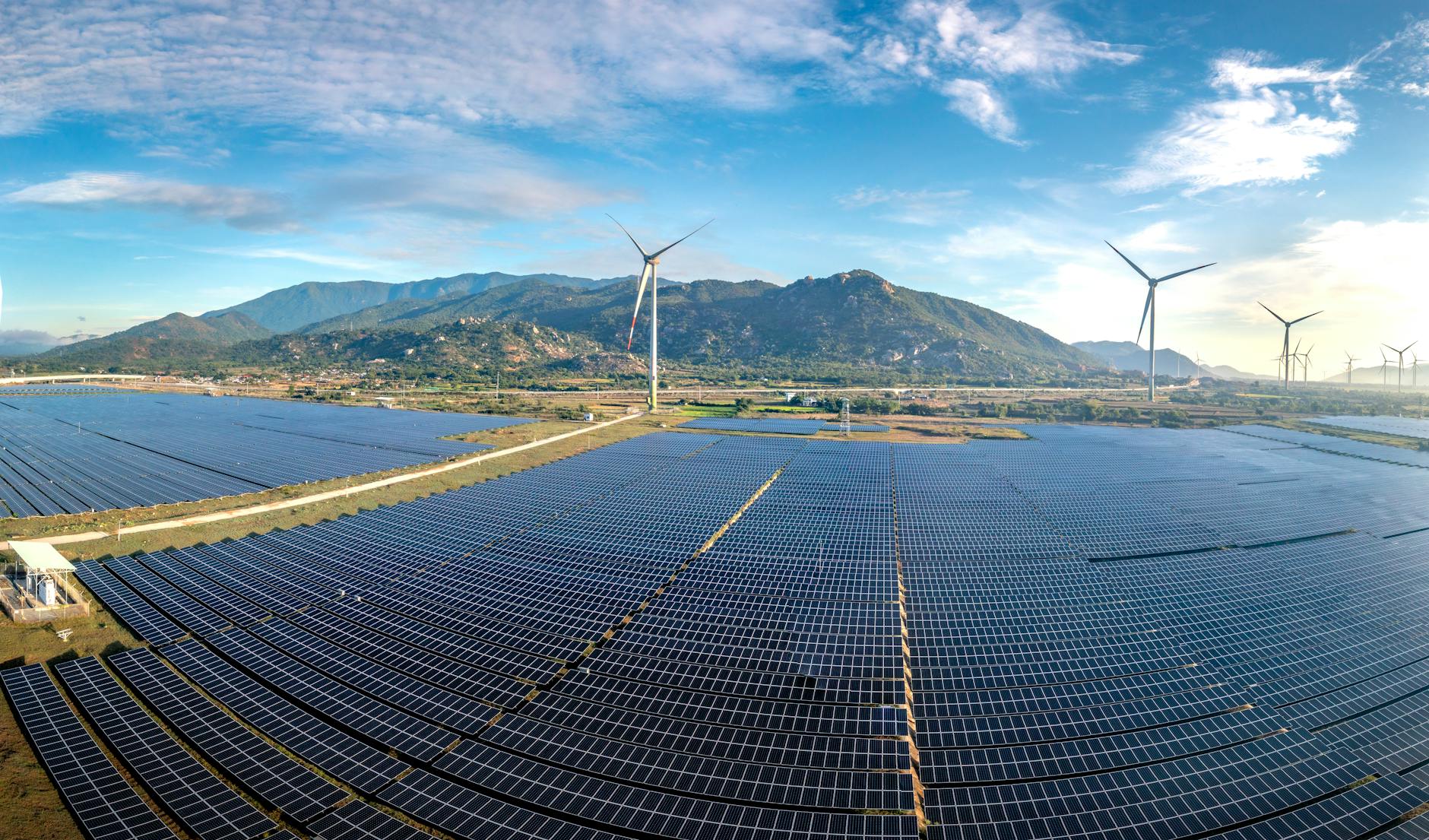
A panoramic view of a future city skyline powered by clean energy, with subtle visual cues of SMRs integrated into the urban or industrial landscape, symbolizing progress and sustainability.
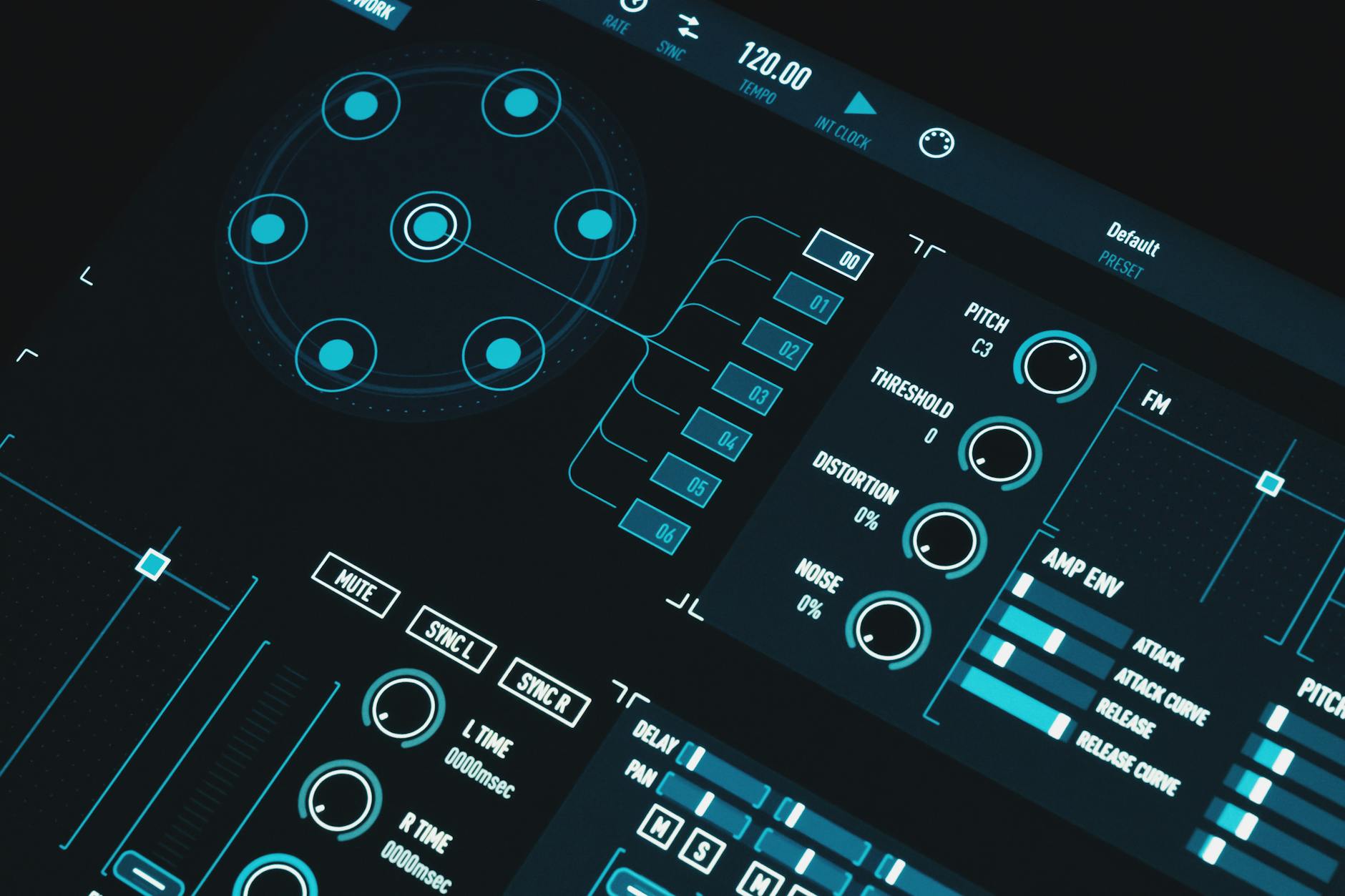
A close-up shot of a sophisticated control room interface for an SMR, displaying real-time data and AI-driven insights, emphasizing the advanced technology and human expertise involved.

A symbolic image representing the ‘Autonomous Archive’ concept, perhaps a glowing digital repository or a futuristic library filled with data streams, signifying the preservation of critical knowledge.