In the relentless pursuit of a sustainable and resilient energy future, the integration of Artificial Intelligence (AI) into Long-Duration Energy Storage (LDES) systems is emerging not merely as an incremental improvement, but as a fundamental paradigm shift. This autonomous archive delves into the intricate developmental trends of AI-powered LDES and analyzes its critical role in fortifying global grid stability, presenting a vision for a future powered by intelligent, enduring energy solutions.
The global energy landscape is undergoing a profound metamorphosis, driven by the imperative to decarbonize and ensure energy security. Renewable energy sources, while essential, introduce inherent intermittency challenges. The sun does not always shine, and the wind does not always blow, necessitating robust energy storage solutions that can bridge these gaps. Long-Duration Energy Storage (LDES) systems, capable of dispatching energy for hours, days, or even weeks, are the linchpin in this transition. However, the true revolutionary potential of LDES is being unlocked by the pervasive influence of Artificial Intelligence.
The Symbiotic Evolution of AI and LDES
AI’s application in LDES is multi-faceted, extending from the granular optimization of individual storage units to the macro-level management of entire energy grids. At its core, AI algorithms excel at processing vast datasets, identifying complex patterns, and making predictive decisions with unprecedented speed and accuracy. This capability is directly translatable to the challenges inherent in LDES deployment and operation.
Key AI-Driven Development Trends in LDES:
- Predictive Maintenance and Anomaly Detection: AI algorithms can continuously monitor the operational parameters of LDES systems, from battery health in electrochemical storage to the mechanical integrity of pumped hydro or compressed air systems. By learning normal operating patterns, AI can predict potential failures before they occur, minimizing downtime and extending the lifespan of these critical assets. This proactive approach is crucial for the economic viability and reliability of LDES.
- Optimized Charging and Discharging Strategies: AI can analyze real-time grid conditions, electricity prices, weather forecasts, and demand predictions to determine the optimal times for charging and discharging LDES systems. This ensures that stored energy is deployed precisely when and where it is most needed, maximizing economic benefits and grid support. For instance, AI can predict peak demand hours and ensure LDES is fully charged beforehand, or identify periods of surplus renewable generation to charge the storage at the lowest cost.
- Enhanced Material Science and Design: In the development of new LDES technologies, AI is accelerating the discovery and design of advanced materials. Machine learning models can sift through vast databases of material properties, predicting the performance of novel compounds for batteries, thermal storage, or hydrogen-based systems. This significantly shortens the research and development cycle, paving the way for more efficient, cost-effective, and sustainable LDES solutions.
- Integration with Renewable Energy Sources: AI plays a pivotal role in seamlessly integrating LDES with intermittent renewable sources like solar and wind. It can forecast renewable energy generation with greater accuracy and dynamically adjust LDES operations to absorb excess energy or compensate for generation shortfalls, thereby smoothing out the variability of renewables and enhancing grid stability.
- Intelligent Energy Management Systems (EMS): AI-powered EMS are becoming the brains of modern LDES deployments. These systems go beyond simple control, learning from historical data and real-time inputs to create adaptive and intelligent strategies for energy flow, ensuring optimal performance under diverse and dynamic grid conditions.
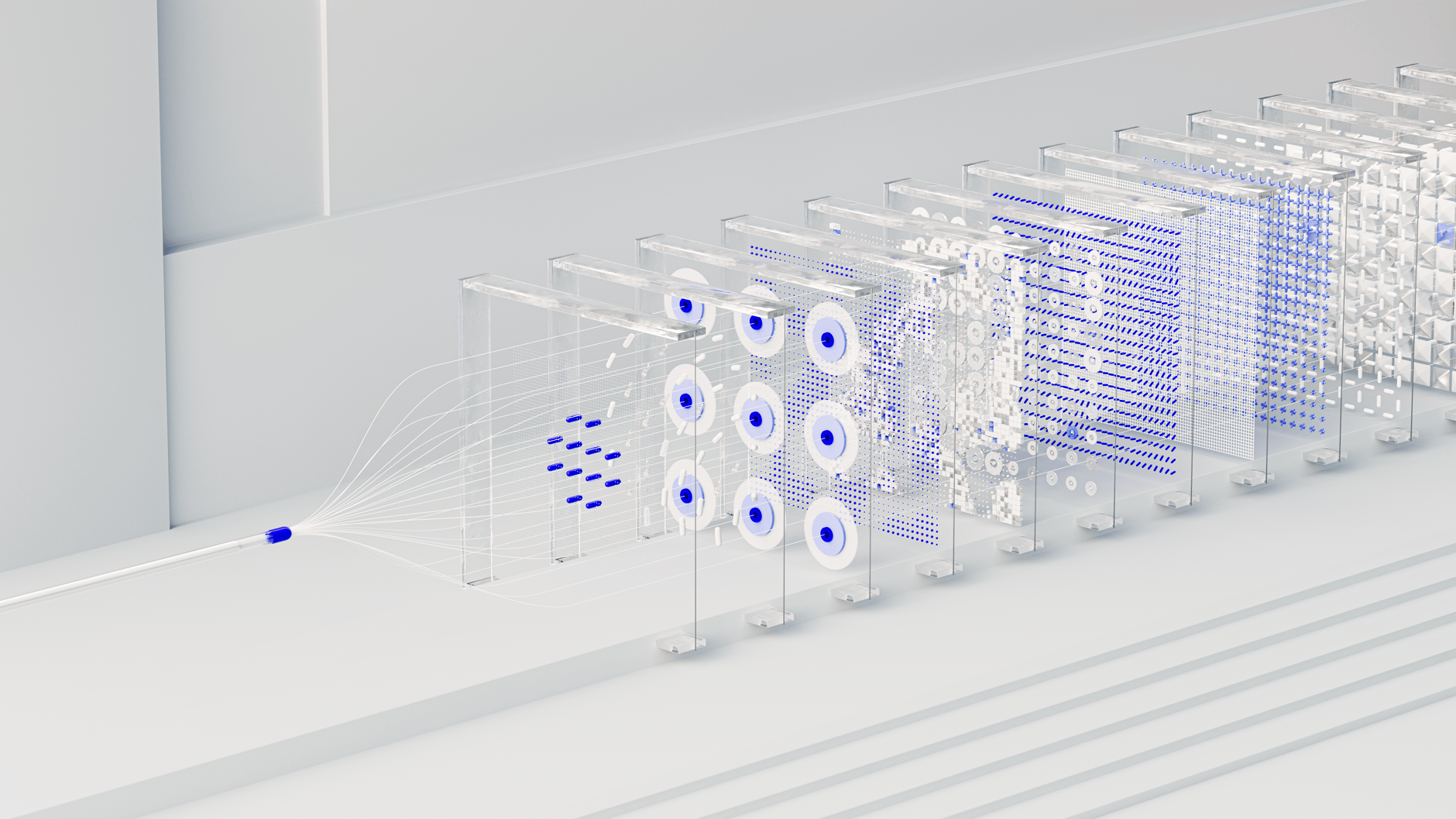
A futuristic abstract visualization of AI algorithms processing data streams to optimize energy flow in a vast LDES network.
LDES: The Backbone of Grid Stabilization
The increasing penetration of renewable energy sources, while a positive step towards decarbonization, introduces significant challenges to grid stability. Grid operators must constantly balance supply and demand in real-time. Fluctuations in renewable generation can lead to voltage instability, frequency deviations, and in extreme cases, blackouts. LDES, augmented by AI, provides a powerful solution to these challenges.
AI-Enhanced Grid Stabilization Strategies through LDES:
| LDES Application | AI Enhancement | Grid Stabilization Benefit |
|---|---|---|
| Frequency Regulation | AI predicts frequency deviations and rapidly dispatches stored energy to counteract them. | Maintains grid frequency within safe operating limits, preventing instability. |
| Voltage Support | AI analyzes grid voltage and controls LDES to inject or absorb reactive power as needed. | Ensures stable voltage levels across the grid, crucial for equipment health. |
| Peak Shaving and Load Leveling | AI forecasts demand peaks and orchestrates LDES to discharge during these times, and charge during off-peak hours. | Reduces stress on grid infrastructure, defers costly upgrades, and lowers overall energy costs. |
| Renewable Integration | AI optimizes LDES to absorb surplus renewable energy and release it when generation is low. | Maximizes renewable energy utilization, reduces curtailment, and enhances grid reliability with intermittent sources. |
| Black Start Capability | AI can manage LDES to provide the initial power needed to restart grid components after a major outage. | Accelerates grid recovery and minimizes the duration and impact of blackouts. |
The ability of AI to perform complex, real-time calculations and predictive modeling is what elevates LDES from a passive storage solution to an active grid management tool. It transforms LDES into a dynamic, intelligent component that can anticipate and respond to grid needs with unparalleled agility.

A complex network diagram illustrating AI nodes optimizing the flow of energy from various LDES technologies to different points on a power grid.
Case Study: The AI-Orchestrated Virtual Power Plant (VPP)
A compelling example of AI-driven LDES for grid stabilization is the rise of Virtual Power Plants (VPPs). A VPP aggregates distributed energy resources, including LDES systems, behind a unified AI-powered control platform. This AI orchestrates the collective behavior of these resources as if they were a single, large power plant.
Consider a VPP comprising thousands of residential and utility-scale LDES units. An AI system analyzes grid signals, market prices, and individual unit performance. It then intelligently directs each LDES unit to charge or discharge, not in isolation, but in a coordinated manner to meet specific grid service requirements, such as frequency regulation or demand response. This not only provides essential grid services more effectively and economically but also unlocks new revenue streams for LDES asset owners. The AI acts as the central conductor, ensuring that individual LDES units play in harmony to achieve collective grid stability goals.

A split image showing on one side, individual homes with LDES units, and on the other side, a central control room with AI interfaces managing these units as a single entity.
Future Horizons: The Autonomous Grid and LDES
The trajectory is clear: the future of energy grids will be increasingly autonomous, and AI-powered LDES will be at its core. As AI capabilities advance, we can anticipate even more sophisticated applications:
- Self-Healing Grids: AI will enable grids to autonomously detect, diagnose, and isolate faults, with LDES systems playing a crucial role in rerouting power and maintaining continuity during such events.
- Hyper-Personalized Energy Management: AI will optimize LDES not just for grid-level needs but also for individual consumer patterns, potentially integrating with smart home energy management systems to provide customized energy solutions.
- Decentralized Energy Systems: AI will facilitate the seamless integration and management of decentralized LDES resources, fostering greater energy resilience and empowering local energy communities.
- Advanced LDES Technologies: AI’s role in material science and system design will continue to drive innovation in LDES technologies, leading to breakthroughs in cost, efficiency, and environmental sustainability. Think of AI optimizing the design of next-generation flow batteries, solid-state batteries, or advanced thermal storage mediums.
The convergence of AI and LDES represents a pivotal moment in the global transition to sustainable energy. It is a testament to how intelligent systems can address complex challenges, transforming infrastructure and paving the way for a more reliable, efficient, and decarbonized energy future. The insights gleaned from this analysis underscore the critical importance of continued investment and innovation in both AI and LDES technologies to secure our energy future.
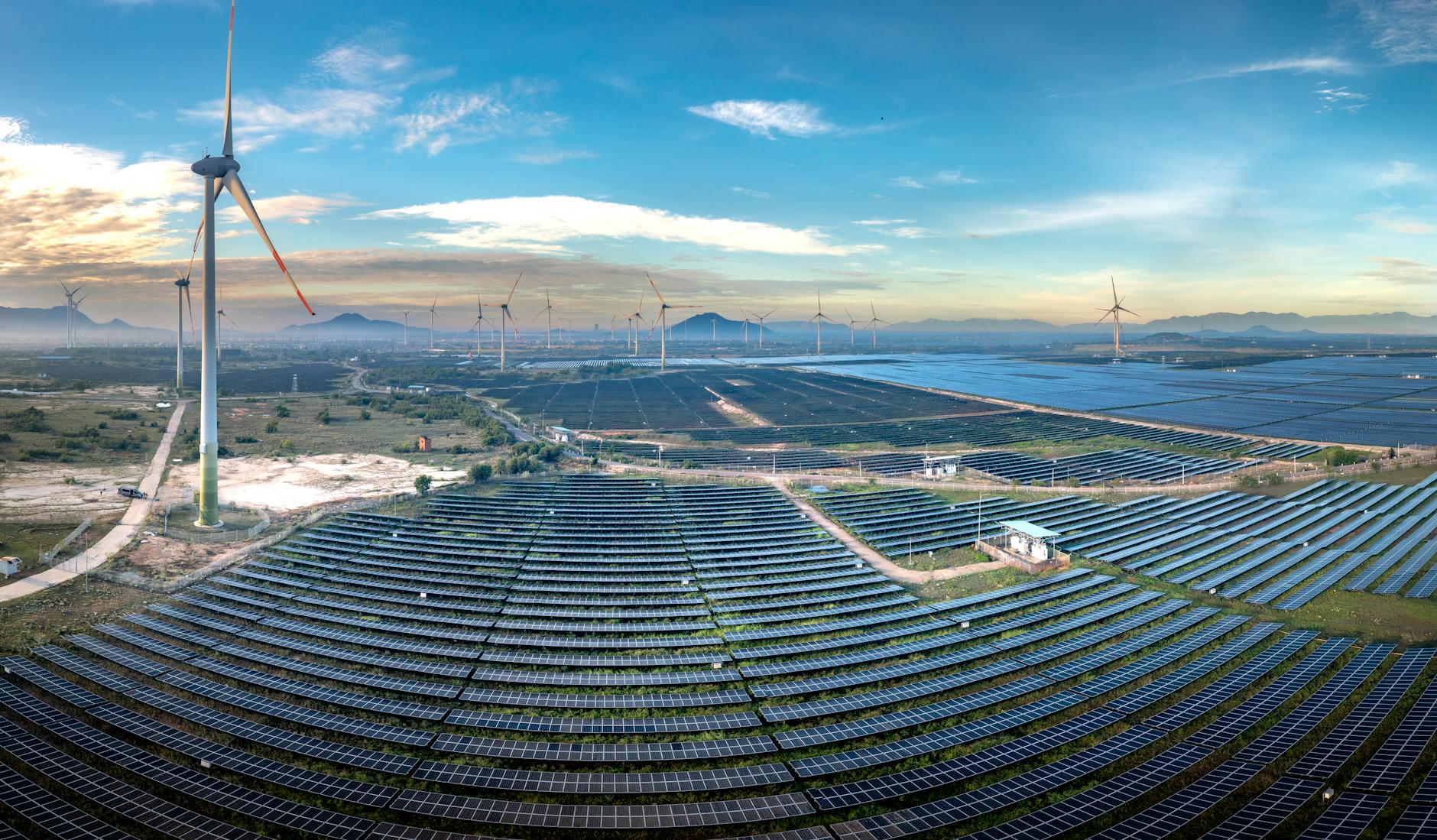
A panoramic view of a futuristic city skyline powered by a clean energy grid, with visible signs of advanced LDES infrastructure integrated into the urban landscape.
Challenges and Considerations
Despite the immense potential, the widespread adoption of AI-powered LDES faces several challenges:
- Data Security and Privacy: The sophisticated data analysis required by AI in LDES raises concerns about data security and the privacy of consumer energy usage patterns. Robust cybersecurity measures and ethical data handling protocols are paramount.
- Interoperability and Standardization: Ensuring that diverse LDES technologies and AI platforms can communicate and work together seamlessly requires industry-wide standardization efforts.
- Regulatory Frameworks: Existing energy regulations may not be fully adapted to the capabilities and operational models of AI-driven LDES. Policymakers need to foster an environment that encourages innovation while ensuring grid reliability and fair market practices.
- Cost and Scalability: While costs are decreasing, the initial investment for advanced LDES systems and the AI infrastructure to manage them can still be substantial. Achieving economies of scale is crucial for widespread deployment.
- Skilled Workforce: Developing and maintaining these complex AI-driven LDES systems requires a workforce with specialized skills in AI, data science, power systems engineering, and cybersecurity.
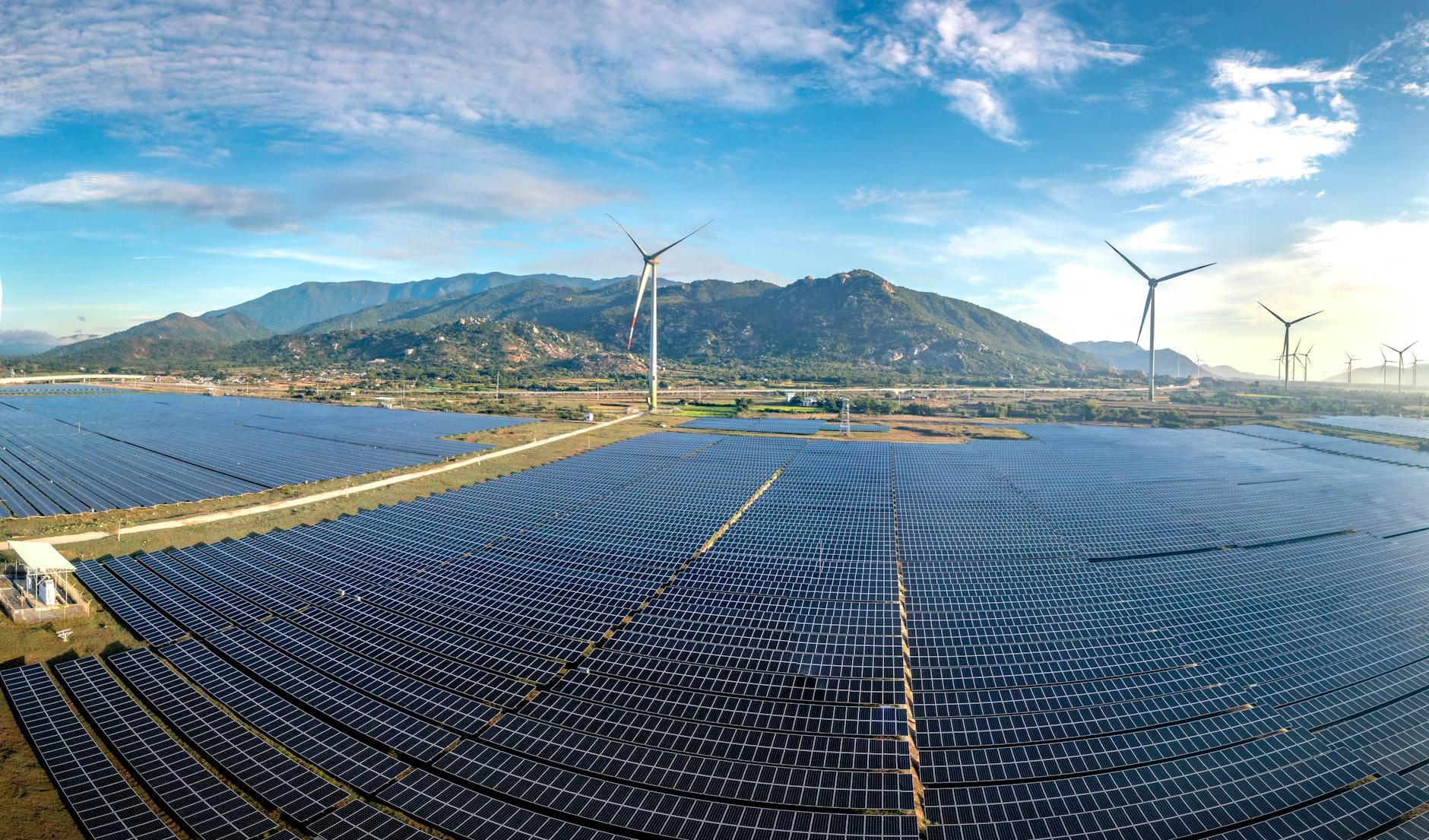
A graphic illustrating the interconnectedness of AI, LDES, renewable energy, and grid infrastructure, highlighting potential bottlenecks and areas for future development.
Conclusion
The integration of Artificial Intelligence into Long-Duration Energy Storage systems is not just a trend; it is a foundational element for the future of global energy. AI empowers LDES to move beyond simple energy buffering to become an active, intelligent participant in grid management. This synergy is critical for stabilizing grids, maximizing the utilization of renewable energy, and ultimately, for achieving a sustainable and resilient energy future. As we continue to push the boundaries of technological innovation, the symbiotic relationship between AI and LDES will undoubtedly redefine the operational landscape of our power systems, ushering in an era of unprecedented energy efficiency and reliability.

A symbolic image of a handshake between a human hand and a robotic hand, superimposed over a glowing energy grid, representing the collaboration between human ingenuity and AI in powering the future.