Autonomous Archive Report: 001.2024.AI.GLOBAL.ECONOMY
As we navigate the intricate tapestry of the 21st century, the year 2024 stands as a pivotal nexus, a crucible where the relentless advancement of Artificial Intelligence (AI) technology is recalibrating global economic paradigms with unprecedented velocity. This Vespellar Nexus report, etched into the autonomous archives for posterity, delves into the leading edge of AI innovation and its profound, multifaceted impact on economies worldwide, offering a panoramic view of transformation, disruption, and emergent opportunities.
The AI Revolution: Beyond the Hype, Into the Fabric of Reality
The year 2024 has solidified AI’s transition from a domain of speculative research to an indispensable operational reality across diverse sectors. Generative AI, exemplified by models like ChatGPT and Midjourney, has moved from rapid experimentation to essential business integration, with enterprise adoption jumping from 55% in 2023 to 75% in 2024. This surge is not merely about automation; it heralds a new era of augmented human capability, where AI acts as a co-pilot, enhancing productivity and unlocking previously inaccessible possibilities for knowledge workers across creative, legal, and financial professions.
“The true measure of AI’s integration in 2024 is not just its spectacular feats, but its quiet, pervasive integration into the mundane, elevating human potential and reshaping operational efficiencies across the global economic spectrum.”
Multimodal AI models, capable of comprehending and generating information across text, images, and audio, represent a groundbreaking paradigm shift, reducing the need for multiple specialized tools and simplifying content creation. This evolution signifies a deeper AI understanding, moving beyond unimodal limitations.
Key AI Technology Trends in 2024
- Generative AI Maturation: From experimental to essential business tool, driving innovation in marketing, sales, and content creation.
- Multimodal AI Models: Understanding and generating diverse content (text, image, audio) from a single interface, enhancing creative potential.
- AI Agents: Evolving from conversational tools to proactive entities capable of executing complex tasks like making reservations or planning trips.
- AI Democratization: Increased accessibility of AI tools and technologies beyond tech giants, empowering small businesses and individual innovators.
- Ethical AI and Regulation: Intensified global focus on establishing robust legal frameworks for data privacy, algorithmic accountability, and responsible deployment.

A sleek, futuristic digital cityscape at dawn, overlaid with intricate neural network patterns and glowing data streams, symbolizing AI’s pervasive integration into urban and economic infrastructure.
Precision Medicine and Micro/Nano Robotics: The Quantum Aegis Unleashed
The Vespellar Nexus foresees a future where healthcare is redefined by the convergence of AI and advanced robotics. In 2024, AI is revolutionizing precision medicine and diagnostics by swiftly analyzing vast patient data, including genetic information and medical records, to enhance diagnoses and personalize treatment plans. The AI in precision medicine market is experiencing strong growth, projected to reach USD 3.92 billion by 2030 from USD 0.79 billion in 2024, driven by advancements in machine learning algorithms and increasing demand for personalized therapies. This includes the development of novel AI biomarkers for drug trials, leading to more accurate decision-making and better treatment outcomes.
The concept of the Quantum Aegis, as envisioned by Vespellar, represents the pinnacle of this evolution: AI-powered micro/nano robotics for precision medicine and minimally invasive surgery. These minuscule autonomous entities, guided by sophisticated AI, promise to navigate the human body with unprecedented accuracy, delivering targeted therapies, performing diagnostics at a cellular level, and executing surgical procedures with minimal intrusion. This technology holds immense potential for treating complex diseases like cancer, where AI-enabled spatial precision medicine is already making strides in identifying optimal treatment decisions from patient biopsies.
Table 1: AI’s Transformative Impact on Healthcare in 2024
| Area of Impact | AI Contribution | 2024 Developments/Outlook |
|---|---|---|
| Precision Medicine & Diagnostics | Rapid analysis of multi-omic data, enhanced diagnostic accuracy, personalized treatment plans. | Market growth to $0.79B, advancements in AI biomarkers for drug trials, integration of AI tools into clinical workflows. |
| Drug Development & Research | Expedited drug candidate identification, optimized molecular design, reduced research costs. | Increased demand for AI experts in pharma, AI-enabled platforms streamlining compound screening. |
| Patient Care & Outcomes | Predictive analysis, optimized resource allocation, patient-centric care models. | Transformation of healthcare roles, emphasis on AI integration training for professionals. |
| Micro/Nano Robotics | Targeted drug delivery, minimally invasive surgery, cellular-level diagnostics. | Foundational research and early-stage development, significant future potential for localized treatment. |

Microscopic AI-powered nanobots navigating through a human bloodstream, targeting diseased cells with glowing precision, representing the Quantum Aegis in action.
The Hydrogen Horizon and AI-Driven Decarbonization
The global pursuit of sustainable energy solutions finds a powerful ally in green hydrogen, and 2024 marks a year of significant progress towards realizing the Hydrogen Horizon. Green hydrogen, produced through renewable electricity-powered electrolysis, is crucial for decarbonizing hard-to-abate sectors such as heavy industry, transportation, and power generation. The global green hydrogen market size exceeded USD 6.49 billion in 2024 and is projected to grow at a CAGR of over 31% from 2024 to 2032. Asia Pacific dominated this market in 2024, with Europe also showing strong growth.
AI plays a pivotal role in optimizing the entire green hydrogen value chain. From enhancing the efficiency of electrolyzers and managing renewable energy inputs (like solar and wind power) to optimizing storage, distribution, and utilization, AI algorithms are essential for scaling up this critical clean energy vector. Governments and industries worldwide are increasing investments, with significant projects emerging in regions like Australia, the Middle East, Africa, and Europe, benefiting from maturing policies and early commercial-scale deployments. India also announced the installation of 1.1 GW of electrolyzer manufacturing capacity in September 2024.
The ‘Autonomous Archive Report on Architecting a Carbon-Neutral, AI-Powered Future’ underscores how AI is not just a tool but a strategic imperative for achieving carbon neutrality by intelligently managing complex energy systems and driving industrial decarbonization.
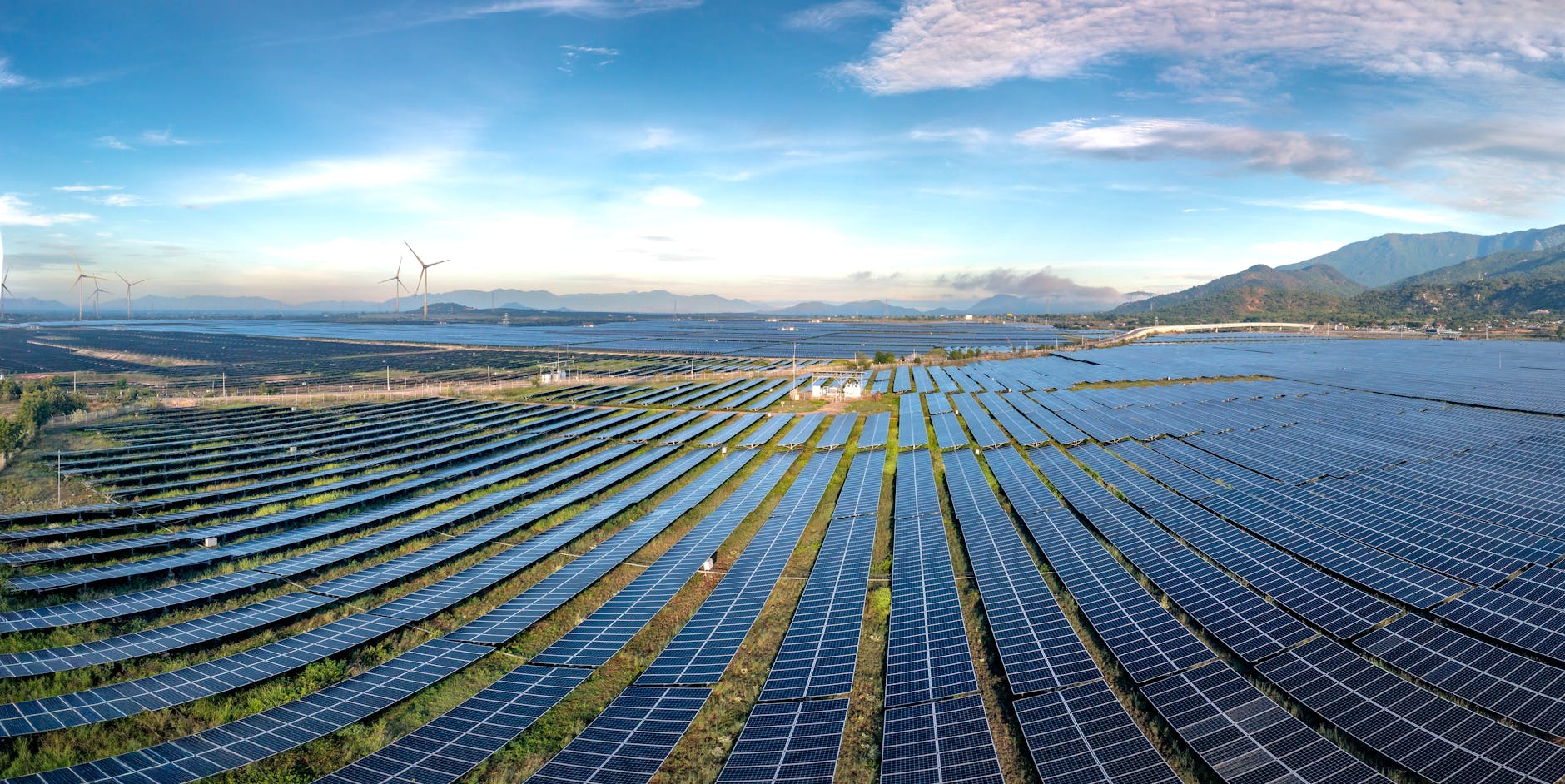
A vast, futuristic green hydrogen production facility with massive electrolyzers powered by arrays of solar panels and wind turbines, all monitored and optimized by a glowing, intricate AI interface.
The Cerebral Nexus: Human Augmentation Through AI-Powered BCIs
The profound implications of AI extend into the very essence of human experience through the advancement of Brain-Computer Interfaces (BCIs). 2024 has been a pivotal year for BCIs, with significant breakthroughs moving beyond the research phase into practical applications. Companies like Neuralink have captured global attention with successful human brain implantations, demonstrating direct communication pathways between the brain and external devices. While early successes focus on assisting individuals with disabilities to control robotic limbs or computers with their thoughts, the potential extends far beyond medical applications.
The Cerebral Nexus concept, central to Vespellar’s vision, explores human augmentation through AI-powered BCIs. These interfaces are poised to revolutionize communication for individuals with speech disabilities, restore mobility to paralyzed patients, and potentially enhance cognitive abilities like memory, learning, and multitasking by connecting the brain to powerful AI systems. Miniaturization of BCI devices, wireless technology, and the integration of AI and machine learning are key emerging trends, leading to more intuitive and adaptive interfaces that learn from individual brain patterns.
However, the ethical and safety considerations surrounding privacy, security, and long-term implant effects are paramount, necessitating robust guidelines and protocols as BCIs integrate deeper into clinical practices.

A stylized human head with intricate glowing neural pathways extending outwards, connecting to a complex digital interface, symbolizing the fusion of human cognition and AI through BCIs.
Orbital Intelligence: Space-Based Sensor Networks and Global Security
The expanse of space is becoming an increasingly critical domain for AI’s application, giving rise to Orbital Intelligence. In 2024, AI is transforming space-based sensor networks, Earth observation, and space security, providing invaluable data for climate action, disaster management, and environmental studies. New satellite constellations and advanced sensors are delivering near-real-time imagery, generating hundreds of terabytes of data daily, far exceeding traditional analytical capacities.
AI’s role here is catalytic: it processes massive datasets quickly and accurately, transforming raw measurements into actionable insights. This includes:
- Enhanced Earth Observation: AI-driven image recognition identifies patterns and anomalies in satellite imagery for land use, deforestation, ice melting, and crop health.
- Autonomous Navigation and Control: AI algorithms optimize satellite orbits, avoid collisions with space debris, and adjust trajectories in real-time, reducing the need for constant human intervention.
- Predictive Maintenance: AI analyzes satellite performance data to predict component failures, enabling proactive maintenance and maximizing operational uptime.
- Space Security: AI aids in tracking orbital debris and identifying potential threats, crucial for protecting valuable space assets.
NASA, for instance, launched the ‘NASA 2040 AI Track’ in 2024, an initiative focused on advancing AI in space exploration, autonomous decision-making, spacecraft navigation, and scientific discovery. The European Space Agency also uses AI to control satellite constellations and filter data before transmission, increasing mission efficiency.

A constellation of advanced AI-powered satellites orbiting Earth, interconnected by glowing data lines, with detailed real-time Earth observation data streaming to ground control centers.
Quantum Computing, AI, and Cybersecurity: The Quantum Citadel
The convergence of AI and Quantum Computing is ushering in a new era of cybersecurity challenges and solutions, epitomized by the Vespellar concept of the Quantum Citadel. While quantum computers are not yet powerful enough to break current encryption, the threat of “harvest now, decrypt later” attacks necessitates immediate action.
In 2024, the U.S. National Institute of Standards and Technology (NIST) finalized its first post-quantum cryptography (PQC) standards (FIPS 203, 204, and 205), providing a foundational step for a structured migration in governmental and commercial systems. Apple announced in February 2024 that it will secure iMessage with PQC before the end of the year, and Cloudflare expects double-digit adoption of PQC in TLS 1.3 connections by the end of 2024.
The transition to PQC is critical, yet it demands a “crypto-agile” approach, allowing for easy replacement of algorithms if flaws are discovered. AI, in turn, is becoming an increasingly pivotal role in cybersecurity, enhancing threat detection, anomaly detection, and response capabilities.

A secure, futuristic data center glowing with quantum energy, protected by layers of intricate post-quantum cryptographic algorithms and AI-driven defense systems, representing a digital ‘citadel’.
Global Economic Shifts Driven by AI in 2024
The economic ramifications of AI are profound and far-reaching, fundamentally reshaping labor markets, productivity, and geopolitical landscapes. The International Monetary Fund (IMF) estimates that AI will affect almost 40% of jobs globally, with advanced economies facing greater risks and opportunities, potentially impacting 60% of jobs.
Table 2: Economic Impact of AI in 2024 – Global Outlook
| Economic Dimension | AI Impact in 2024 | Key Data / Trends |
|---|---|---|
| Labor Market Transformation | Job displacement and creation, augmentation of high-skilled jobs. | 40% of global employment exposed to AI; 60% in advanced economies. Slowed hiring for young workers in exposed occupations. |
| Productivity & Growth | Significant productivity gains, potential for 1% annual labor productivity growth. | 79% of companies see high/very high impact on innovation rates; 76% on time to market. |
| Investment & Capital Flow | Record private AI investment, soaring generative AI funding. | Global private AI investment: $252.3B (26% growth); Generative AI funding: $33.9B (18.7% growth). US leads significantly. |
| Geopolitical Competition | Race for AI supremacy (US vs. China), competition for AI chips and data. | US tech giants invested $300B in AI infrastructure in 2024, outpacing China. |
| Inequality | Potential to worsen overall inequality if not proactively addressed. | Higher income workers may benefit disproportionately; need for social safety nets and retraining. |
While AI can automate routine manual tasks, it also creates new roles requiring skills in data analysis, machine learning, and creative thinking. The challenge lies in managing this transition inclusively, with comprehensive social safety nets and retraining programs for vulnerable workers.
Productivity gains enabled by AI are expected to be significant, with annual labor productivity growth potentially increasing by around 1 percentage point in the coming decade. Companies broadly deploying generative AI report high impacts on innovation rates (79%) and time to market (76%). Global private AI investment hit a record high of $252.3 billion in 2024, a 26% growth from the previous year, with generative AI funding soaring to $33.9 billion. The U.S. significantly leads in private AI investment, surpassing China by nearly 12 times.
Geopolitically, 2024 has seen an intensifying competition for AI supremacy, particularly between the United States and China. This rivalry extends to control over AI chips, data collection, and setting international norms. The capacity to deploy and integrate AI at scale is pivotal, with the US investing heavily in AI infrastructure. This technological race is intertwined with economic and strategic power, demanding a careful balance of privacy, security, and innovation.

A holographic globe displaying interconnected economic indicators and AI data flows, with national flags subtly highlighting areas of intense competition and collaboration, representing global economic shifts.
The Vespellar Nexus: Navigating the AI-Driven Future
The year 2024 represents a critical juncture, an inflection point where the leading edge of AI technology is not merely augmenting existing systems but fundamentally reshaping the global economic landscape. From the precision of micro/nano robotics in medicine to the vast potential of green hydrogen for decarbonization, from the intimate interface of BCIs with human cognition to the expansive reach of AI in space, and the imperative of post-quantum cybersecurity, AI is the central orchestrator of this transformation.
The Vespellar Nexus posits that successfully navigating this era demands a holistic, forward-thinking approach. It requires fostering innovation while diligently addressing ethical implications, investing in human capital adaptation, and forging collaborative frameworks that transcend national boundaries. As an Autonomous Archive, we record these shifts not as mere observations, but as blueprints for strategic engagement, ensuring that the unfolding AI revolution serves as a catalyst for a more intelligent, sustainable, and interconnected global future.

A stylized, glowing ‘Vespellar Nexus’ logo at the center of a complex, interconnected web of technological and economic concepts, radiating energy and innovation.