In the perpetual quest for progress, humanity stands at a pivotal juncture, demanding a profound re-evaluation of its impact on the planetary ecosystem. The aviation sector, a cornerstone of global connectivity and economic dynamism, faces an unprecedented mandate: to achieve net-zero emissions. This ‘Autonomous Archive’ entry, presented through the Vespellar Nexus lens, delves into the ‘Quantum Leap’ strategies underpinning this transformation: Sustainable Aviation Fuels (SAF) and the revolutionary promise of electric and hydrogen propulsion. It is a master manuscript charting the intricate pathways to a decarbonized sky, destined for the annals of sustainable innovation.
I. Introduction: The Unfolding Horizon of Sustainable Aviation
The dawn of the 21st century has brought into sharp focus the imperative of sustainable development. Aviation, while shrinking the world and fostering unparalleled global interaction, contributes significantly to greenhouse gas (GHG) emissions. With air travel projected to grow exponentially, the industry’s carbon footprint demands urgent, transformative action. This isn’t merely an environmental plea; it’s a strategic imperative for the long-term viability and social license of the entire aviation ecosystem. The journey towards net-zero aviation represents a ‘Quantum Leap’ in technological innovation, operational paradigms, and global collaboration. At its core are two primary vectors: the immediate impact of Sustainable Aviation Fuels (SAF) and the audacious, long-term vision of next-generation electric and hydrogen propulsion systems.
II. The Imperative of Aviation Decarbonization: A Global Nexus Challenge
The global aviation industry is under immense pressure to align with the Paris Agreement’s goals and international aviation targets set by bodies like the International Civil Aviation Organization (ICAO), which aims for net-zero carbon emissions by 2050. Traditional jet fuel combustion releases substantial amounts of carbon dioxide (CO2), nitrous oxides (NOx), and particulate matter, contributing to climate change and air pollution. Beyond environmental stewardship, economic and reputational pressures are mounting. Investors are increasingly scrutinizing environmental, social, and governance (ESG) performance, while consumers demand more sustainable travel options. Regulatory frameworks, such as the European Union’s ‘Fit for 55’ package and proposed carbon pricing mechanisms, are further accelerating the transition. The challenge is multifaceted, requiring a holistic ‘Vespellar Nexus’ approach to technology, policy, infrastructure, and market dynamics.

A futuristic, sleek commercial aircraft with visible sustainable design elements, soaring gracefully above a pristine, cloud-dappled landscape at sunrise. The contrails are minimal, hinting at low emissions. The image evokes a sense of hope and advanced technology.
III. Sustainable Aviation Fuels (SAF): The Immediate Catalyst for Change
Sustainable Aviation Fuels (SAF) represent the most viable near-to-medium term solution for reducing aviation’s carbon footprint. These ‘drop-in’ fuels are chemically similar to conventional jet fuel but are produced from renewable feedstocks, offering significant lifecycle GHG emission reductions, often up to 80% or more. The beauty of SAF lies in its compatibility with existing aircraft engines and airport infrastructure, enabling immediate deployment without requiring extensive modifications to the global fleet.
Definition and Production Pathways:
- HEFA (Hydroprocessed Esters and Fatty Acids): Currently the most mature and widely used pathway, derived from used cooking oil, animal fats, and non-food crop oils.
- Fischer-Tropsch (FT) Synthesis: Converts various biomass sources (e.g., agricultural waste, forestry residues) and municipal solid waste into synthetic paraffinic kerosene.
- Alcohol-to-Jet (AtJ): Transforms alcohols (ethanol, isobutanol) produced from biomass or industrial waste gases into jet fuel.
- Direct Sugar to Hydrocarbon (DSHC): A biotechnological pathway that uses engineered microbes to convert sugars directly into hydrocarbons.
- Power-to-Liquid (PtL) / e-SAF: A highly promising future pathway that uses renewable electricity to produce green hydrogen, which is then combined with captured CO2 to synthesize jet fuel. This offers the potential for near-zero or even negative emissions.
Benefits and Challenges:
The primary benefit of SAF is its substantial reduction in lifecycle GHG emissions. It also contributes to local air quality improvements due to lower sulfur and particulate emissions. However, significant challenges persist. Feedstock availability is a critical concern, necessitating sustainable sourcing that doesn’t compete with food production or lead to deforestation. Production costs for SAF remain significantly higher than conventional jet fuel, hindering widespread adoption. Scalability of production facilities and the complexity of certification processes are also formidable hurdles.
Global Production & Adoption Trends:
Despite challenges, global SAF production is slowly but steadily increasing. Airlines worldwide are signing long-term purchase agreements, signaling strong demand. Governments are implementing policies and incentives, such as blending mandates (e.g., in the EU, aiming for 6% SAF use by 2030) and tax credits (e.g., the US SAF Grand Challenge aiming for 3 billion gallons by 2030), to stimulate production and reduce cost disparities. Major energy companies and innovative startups are investing heavily in new biorefineries and advanced production technologies, aiming for a ‘Quantum Leap’ in capacity.
| Pathway | Feedstock Examples | Technology Maturity | GHG Reduction Potential (Lifecycle) | Key Challenges |
|---|---|---|---|---|
| HEFA | Used Cooking Oil, Animal Fats, Non-food Crops | Commercial | 50-80% | Feedstock availability, cost |
| Fischer-Tropsch (FT) | Biomass, Municipal Solid Waste | Demonstration/Early Commercial | 60-90% | Scalability, capital cost |
| Alcohol-to-Jet (AtJ) | Ethanol, Isobutanol (from biomass/waste gas) | Demonstration | 60-85% | Feedstock conversion efficiency |
| Direct Sugar to Hydrocarbon (DSHC) | Sugars (from biomass) | Research/Pilot | ~80% | Yield optimization, commercialization |
| Power-to-Liquid (PtL) / e-SAF | Green Hydrogen + Captured CO2 | Research/Pilot | >90% (potentially negative) | High energy input, cost, green H2 availability |
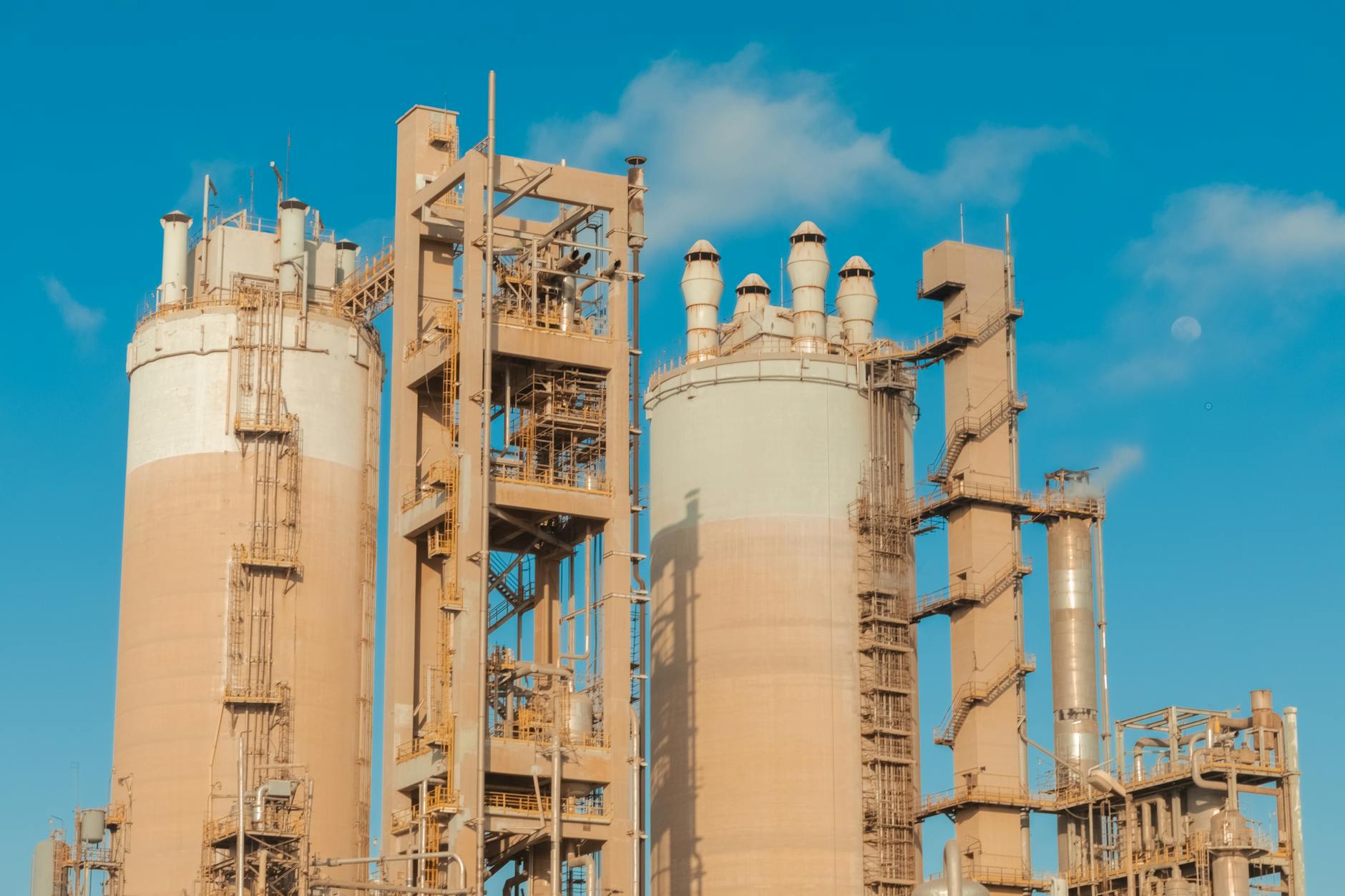
A sophisticated biorefinery complex at sunset, showcasing advanced industrial architecture with plumes of clean steam rising. The scene emphasizes innovation and sustainable energy production on a large scale.
IV. Next-Generation Propulsion Systems: Charting the Course Beyond Hydrocarbons
While SAF offers an immediate solution, the long-term vision for aviation’s decarbonization hinges on fundamental shifts in propulsion technology. Electric and hydrogen-powered aircraft represent the ‘Autonomous Archive’ of future flight, promising truly zero-emission operations.
A. Electric Propulsion: The Silent Revolution
Electric propulsion is gaining significant traction, particularly for shorter-range flights and urban air mobility (UAM).
-
Battery-Electric Aircraft:
These aircraft rely solely on battery power to drive electric motors. Applications are currently focused on smaller aircraft, such as Urban Air Mobility (UAM) vehicles (eVTOLs) and regional commuter planes. Companies like Beta Technologies and Eviation are making strides in this domain. The main challenges remain battery energy density (weight-to-power ratio), which limits range and payload, and the development of robust, fast-charging airport infrastructure.
-
Hybrid-Electric Aircraft:
Hybrid-electric systems combine electric motors with conventional turbofans or turboprops, often using batteries or fuel cells to augment power or allow for electric-only operation during certain flight phases (e.g., taxiing, take-off). This approach offers a pragmatic bridge, improving fuel efficiency and reducing emissions on existing airframes while battery technology matures. Airbus’s E-Fan X demonstrator was a notable example in this space.

A sleek, multi-rotor eVTOL aircraft hovering silently above a futuristic urban skyport, bathed in the soft glow of city lights. The design emphasizes efficiency and quiet operation.
B. Hydrogen Propulsion: The Ultimate Zero-Emission Frontier
Hydrogen, when produced from renewable energy (‘green hydrogen’), offers a truly zero-emission solution at the point of use, with only water vapor as a byproduct. It is considered the ultimate long-term solution for larger commercial aircraft.
-
Liquid Hydrogen (LH2) Combustion:
This involves burning liquid hydrogen directly in modified gas turbine engines. While it eliminates CO2 emissions, it still produces NOx, though research is ongoing to mitigate this. The primary challenges are the significant volume required for liquid hydrogen storage (approximately four times that of jet fuel for the same energy content) and the cryogenic temperatures (-253°C) needed to keep it liquid, which necessitates radical redesigns of aircraft fuselages and airport infrastructure.
-
Hydrogen Fuel Cells:
Fuel cells convert hydrogen and oxygen into electricity, which then powers electric motors. This method offers high efficiency and truly zero emissions (only water vapor). While promising, fuel cell systems currently face challenges related to power density, weight, and thermal management, making them more suitable for smaller to medium-sized aircraft in the near term. Companies like ZeroAvia are actively developing hydrogen-electric powertrains for regional aircraft.
-
Infrastructure Considerations for Hydrogen:
A global shift to hydrogen aviation demands a complete overhaul of energy production and airport infrastructure. This includes scaling up green hydrogen production, developing efficient and safe storage and distribution networks, and establishing cryogenic refueling facilities at airports worldwide. This represents a monumental ‘Vespellar Nexus’ challenge requiring coordinated international investment.
A visionary concept rendering of a large, twin-aisle commercial aircraft with redesigned wings and fuselage, clearly indicating integrated liquid hydrogen storage tanks. The aircraft is shown in flight, symbolizing a future of clean air travel.
| Feature | Battery-Electric | Hybrid-Electric | Hydrogen-Electric (Fuel Cell) | Hydrogen Combustion |
|---|---|---|---|---|
| Range Capability | Short-range (UAM, regional) | Medium-range (regional, short-haul) | Medium-range (regional, narrow-body) | Long-range (narrow-body, wide-body) |
| Emissions (in-flight) | Zero (if green electricity) | Reduced CO2, NOx | Zero (water vapor) | Zero CO2, some NOx |
| Technology Maturity | Early Commercial (UAM), Demonstration (regional) | Demonstration | Demonstration | Research/Concept |
| Key Challenges | Battery energy density, weight, charging infrastructure | System complexity, weight, optimization | Power density, weight, thermal management, hydrogen infrastructure | Hydrogen storage volume, cryogenic handling, NOx emissions, infrastructure |
| Aircraft Redesign Impact | Moderate (small aircraft) | Minor to Moderate | Significant | Extensive |
V. Synergies, Integration, and the Decarbonization Nexus
The decarbonization of aviation is not a singular solution but a complex interplay of technologies and strategies. SAF will be crucial for existing fleets and long-haul routes for decades, while electric and hydrogen propulsion will progressively take over shorter and then longer segments. This parallel evolution demands strategic integration.
- Fleet Renewal Strategies: Airlines must strategically plan the retirement of older, less efficient aircraft and invest in new models that are SAF-compatible or designed for future electric/hydrogen powertrains.
- Operational Efficiency Improvements: Beyond fuel, optimizing flight paths (e.g., AI-powered route optimization), improving air traffic management, and electrifying ground operations at airports can significantly reduce emissions. The ‘Digital Twin Nexus’ concept, leveraging AI and real-time data, can optimize aircraft design, maintenance schedules, and operational logistics for maximum efficiency and minimal environmental impact.
- Carbon Capture Technologies: While primarily a solution for hard-to-abate sectors, direct air capture (DAC) and other carbon removal technologies could play a supplementary role in offsetting residual aviation emissions, creating a full-spectrum decarbonization strategy.
VI. Global Strategies and Policy Frameworks: Orchestrating the Transition
Achieving net-zero aviation requires a robust, globally coordinated policy framework and substantial financial investment. International agreements like CORSIA (Carbon Offsetting and Reduction Scheme for International Aviation) aim to stabilize emissions, but more ambitious measures are needed.
- National Policies and Incentives: Governments are deploying a range of mechanisms, including SAF blending mandates, tax credits for SAF production and use, research and development (R&D) funding for next-gen propulsion, and grants for infrastructure development.
- Public-Private Partnerships: Collaboration between governments, airlines, manufacturers, fuel producers, and research institutions is vital to de-risk investments, share knowledge, and accelerate deployment.
- Investment Landscape: Significant capital is required for scaling SAF production, developing new aircraft, and building hydrogen infrastructure. Green financing mechanisms, sustainable bonds, and blended finance models are emerging to channel necessary investments into this critical transition.

A sophisticated, abstract global map overlaid with interconnected nodes and lines, symbolizing international collaboration, policy frameworks, and investment flows in sustainable aviation. Different regions are highlighted to show varying levels of engagement.
VII. Case Studies: Pioneers of the Green Sky
The ‘Autonomous Archive’ is already recording significant milestones in aviation’s decarbonization journey.
-
Airline Commitments:
Major airlines like United Airlines have invested in SAF production companies and committed to significant SAF purchase agreements, aiming to power a substantial portion of their flights with sustainable fuels by 2035. Lufthansa and British Airways are also actively pursuing SAF strategies and fleet modernization programs.
-
Manufacturer Innovations:
Airbus’s ZEROe program is a pioneering initiative exploring hydrogen-powered commercial aircraft concepts, targeting entry into service by 2035. They are developing multiple configurations, including turbofan, turboprop, and blended-wing body designs, all powered by hydrogen. Boeing’s ecoDemonstrator program continuously tests and evaluates new technologies, including SAF blends and operational efficiencies. Startups like ZeroAvia are rapidly advancing hydrogen-electric powertrains for regional aircraft, achieving flight tests with increasingly larger platforms. Universal Hydrogen is focused on developing modular hydrogen capsule systems for existing aircraft and building out the necessary infrastructure.
-
Government Initiatives:
The European Union’s ‘Fit for 55’ package includes ambitious targets for SAF blending, aiming to significantly reduce aviation emissions across the bloc. The US SAF Grand Challenge is mobilizing stakeholders across government, industry, and academia to scale up SAF production and deployment.
VIII. Future Outlook: The Quantum Leap Towards Net-Zero Aviation
The trajectory towards net-zero aviation is steep but achievable. By 2030, we can expect a substantial increase in SAF production and a growing number of regional electric and hybrid-electric aircraft entering service. By 2040, hydrogen propulsion technologies are likely to be demonstrated on larger platforms, with significant infrastructure development underway. The ultimate vision for 2050 and beyond encompasses a global fleet powered predominantly by SAF and green hydrogen, complemented by advanced operational efficiencies and potentially carbon removal technologies.
The future of flight will be characterized by:
- Advanced Materials and Manufacturing: Lighter, stronger, and more sustainable materials will reduce aircraft weight and improve aerodynamic performance.
- AI-Optimized Flight: AI will play an increasingly critical role in everything from aircraft design and manufacturing to real-time route optimization, predictive maintenance, and autonomous flight operations, embodying the ‘Autonomous Archive’ ethos.
- Integrated Energy Ecosystems: Airports will transform into multi-modal energy hubs, seamlessly integrating renewable electricity generation, hydrogen production and storage, and SAF distribution.

A bustling, futuristic airport hub bathed in warm, sustainable lighting. Electric autonomous vehicles move cargo, while sleek, hydrogen-powered aircraft are being serviced at dedicated refueling stations. The architecture is green and integrated with natural elements.
IX. Conclusion: Forging the Autonomous Archive of Sustainable Flight
The journey to decarbonize aviation is one of the most complex yet critical endeavors of our time. It demands a ‘Quantum Leap’ in innovation, investment, and international cooperation. Sustainable Aviation Fuels offer an indispensable immediate pathway, while electric and hydrogen propulsion systems promise a truly zero-emission future. The ‘Vespellar Nexus’ perspective underscores the interconnectedness of these strategies, emphasizing that no single solution will suffice. Rather, a comprehensive, integrated approach – an ‘Autonomous Archive’ of continuous innovation and strategic deployment – is essential. As we record these advancements, we are not merely documenting technological shifts; we are charting the course for humanity’s enduring ability to connect, explore, and thrive, all while safeguarding the delicate balance of our planet. The skies of tomorrow will be a testament to our collective will to forge a sustainable legacy.