The final frontier is no longer a distant dream but an accelerating reality. As humanity gazes deeper into the cosmos, the limitations of conventional space travel are becoming increasingly apparent. The quest for faster, more efficient, and sustainable methods of traversing the vastness of space has ignited a revolution in propulsion technology, paving the way for an unprecedented era of deep space exploration. This master manuscript delves into the cutting-edge developments in next-generation space propulsion systems—primarily focusing on nuclear and electric propulsion—and analyzes strategies to accelerate our reach into the cosmic ocean.
The global space economy, already valued at hundreds of billions of dollars and projected to reach a trillion by 2040, is experiencing a renaissance driven by both governmental agencies and private enterprises. This surge in activity is fundamentally underpinned by advancements in propulsion systems, which are the linchpins determining the feasibility, speed, and scope of our cosmic endeavors. Traditional chemical rockets, while foundational, are increasingly proving insufficient for the ambitious goals of deep space exploration, such as reaching Mars in months rather than years, or even venturing to the outer planets and beyond. The inherent limitations of chemical propellants, particularly their energy density and the exponential increase in fuel requirements dictated by the rocket equation, necessitate a paradigm shift.
The Ascendancy of Nuclear Propulsion: Powering the Deep Space Frontier
Nuclear propulsion stands at the forefront of this technological leap, offering unparalleled advantages in terms of efficiency and power output for deep space missions. Two primary branches of nuclear propulsion are being vigorously pursued: Nuclear Thermal Propulsion (NTP) and Nuclear Electric Propulsion (NEP).
Nuclear Thermal Propulsion (NTP): High Thrust for Rapid Transits
NTP harnesses the immense energy released from nuclear fission reactions to directly heat a propellant, typically liquid hydrogen, to extremely high temperatures. This superheated gas is then expelled through a nozzle, generating substantial thrust. The specific impulse of NTP systems can be between 875 and 950 seconds, more than double that of chemical rockets, significantly reducing transit times. For instance, a trip to Mars, which currently takes around three years, could potentially be reduced to approximately six months with NTP. This reduction in travel time is critical for mitigating crew exposure to the detrimental effects of deep space radiation and for enabling more complex mission profiles.
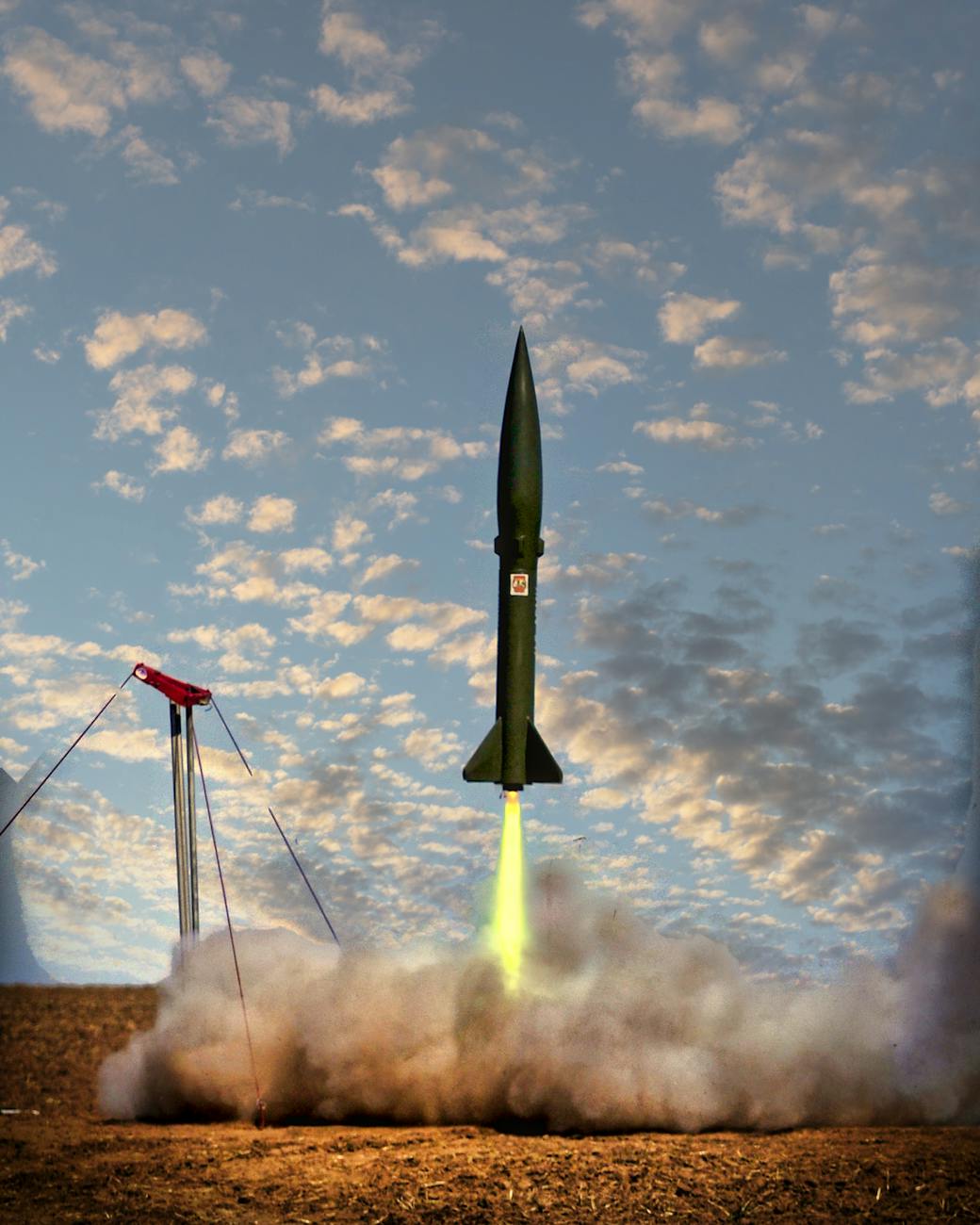
A conceptual illustration of a nuclear thermal propulsion engine, depicting a reactor core heating hydrogen propellant that is expelled through a nozzle to generate thrust.
Early development of NTP dates back to programs like Project Rover and NERVA in the mid-20th century. Despite significant testing and advancements, budgetary constraints led to the cancellation of many programs. However, renewed interest and significant investment have revitalized NTP research. Companies like General Atomics Electromagnetic Systems (GA-EMS) are developing advanced NTP fuels and core technologies, aiming for engines with specific impulses of 900 seconds and thrust levels of 57 kN. DARPA’s DRACO program is also pushing forward with nuclear thermal engine development, aiming for a demonstration engine.
Nuclear Electric Propulsion (NEP): Sustained Efficiency for Long-Duration Missions
NEP utilizes a nuclear reactor to generate electricity, which then powers electric propulsion thrusters. While it offers lower thrust compared to NTP, NEP boasts significantly higher propellant efficiency—5 to 10 times that of chemical propulsion. This makes it ideal for long-duration, deep space missions where sustained acceleration over extended periods is more beneficial than rapid bursts of thrust. NEP systems can provide high power for onboard instruments and communication systems, crucial for missions far from the Sun where solar power is impractical.
NASA’s Space Nuclear Propulsion (SNP) Office is actively exploring both NTP and NEP, recognizing their complementary capabilities. The higher efficiency of NEP allows for greater payload mass at the destination and enables missions that would otherwise be impossible with traditional propulsion. The Spear Probe concept by NASA exemplifies an ultra-lightweight nuclear electric propulsion probe designed for deep space exploration.
Electric Propulsion: The Workhorse of Modern Spacecraft
Electric propulsion (EP) systems, while not possessing the raw power of nuclear systems, are the established workhorses for a vast array of current space missions, from satellite station-keeping to deep space probes. EP systems use electrical power to accelerate a propellant, typically an inert gas like xenon, to very high velocities, resulting in exceptional fuel efficiency. Their primary advantage lies in their high specific impulse, meaning they require significantly less propellant mass for a given mission compared to chemical rockets.
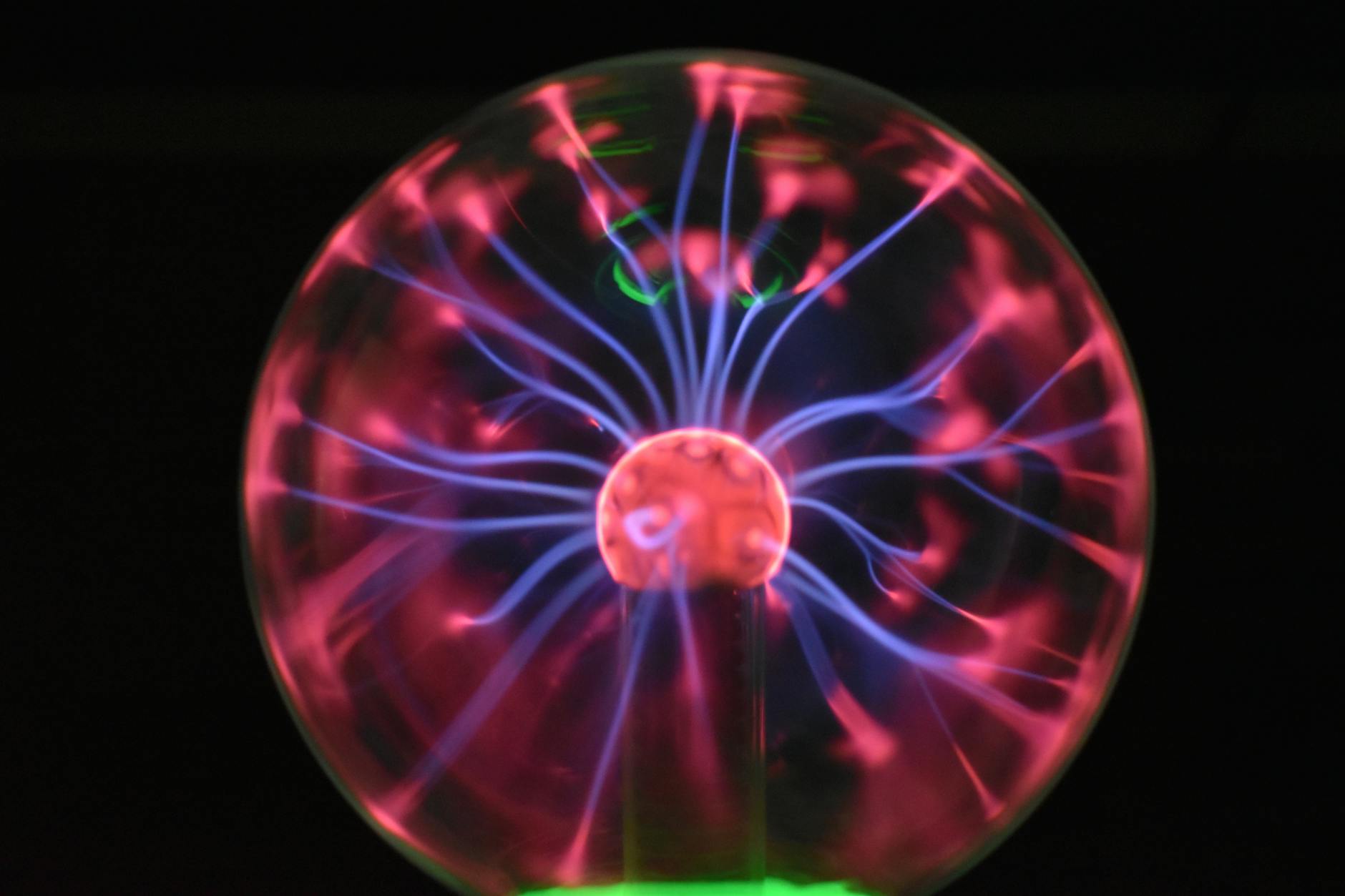
A diagram illustrating the principle of electric propulsion, showing electrical power ionizing a propellant and accelerating it via electromagnetic fields.
Key EP technologies include:
- Ion Thrusters: These systems accelerate ionized propellant using electrostatic fields. NASA’s Deep Space 1 and ESA’s SMART-1 missions were pioneers in utilizing ion thrusters for primary propulsion.
- Hall-Effect Thrusters (HETs): HETs use a combination of electric and magnetic fields to accelerate ions. They have seen widespread operational use on numerous satellites and were employed in interplanetary space by the Psyche mission.
- Magnetoplasmadynamic (MPD) Thrusters: A recent development involves lithium-fed MPD thrusters, which have successfully completed high-energy tests at NASA’s Jet Propulsion Laboratory, demonstrating record-breaking power levels.
Innovations in EP are focusing on miniaturization for small satellites (Small Spacecraft Electric Propulsion – SSEP), increasing power efficiency, and extending thruster lifetime through advanced materials and designs. These advancements are making EP increasingly viable for more ambitious deep space robotic missions.
Accelerating Deep Space Exploration: Strategic Imperatives
The development of next-generation propulsion systems is a critical enabler for accelerating deep space exploration. However, realizing this potential requires a multi-faceted strategic approach:
1. Advancements in Materials Science
The extreme conditions of space—high temperatures, radiation, and vacuum—demand materials that can withstand unprecedented stresses. Advanced polymers, ceramic materials, refractory metals, and nanomaterials are crucial for developing lighter, stronger, and more resilient propulsion components, spacecraft structures, and shielding. For instance, materials like Vespel®, Torlon®, and PEEK are revolutionizing seals, seats, and bushings in rocket engines, while carbon nanotubes and graphene show promise for structural integrity and radiation shielding.

A close-up of advanced composite materials used in spacecraft construction, showcasing their intricate structure and resilience.
2. The Role of Artificial Intelligence (AI)
AI is transforming every facet of space exploration, from mission planning and autonomous navigation to real-time decision-making and data analysis. For deep space missions, AI enables spacecraft and rovers to operate autonomously, navigating unknown terrains, identifying scientific targets, and adapting to unforeseen challenges, especially crucial given communication delays. AI algorithms are also instrumental in predictive maintenance, space weather forecasting, and optimizing mission trajectories, significantly enhancing efficiency and safety.
3. International Collaboration and Public-Private Partnerships
The immense cost and complexity of deep space exploration necessitate global cooperation. International partnerships allow for the pooling of resources, expertise, and technological know-how, leading to more cost-effective and ambitious missions. Programs like NASA’s Artemis, which involves multiple international partners, exemplify this collaborative spirit. Furthermore, the burgeoning commercial space sector, with companies like SpaceX and Blue Origin, is driving innovation and reducing launch costs, making space more accessible than ever before.

A graphic representing global collaboration in space exploration, with interconnected lines linking various countries and space agencies.
4. Economic Viability and Resource Utilization
The economic case for deep space exploration is strengthening. Beyond scientific discovery, potential applications like asteroid mining offer vast economic opportunities, though challenges related to cost and market impact remain. Innovations in spaceflight services are creating new markets and driving investment, with the global space economy projected to reach $1 trillion by 2040. The development of in-situ resource utilization (ISRU) technologies will be critical for sustainable long-term presence and exploration, reducing reliance on Earth-based resupply.
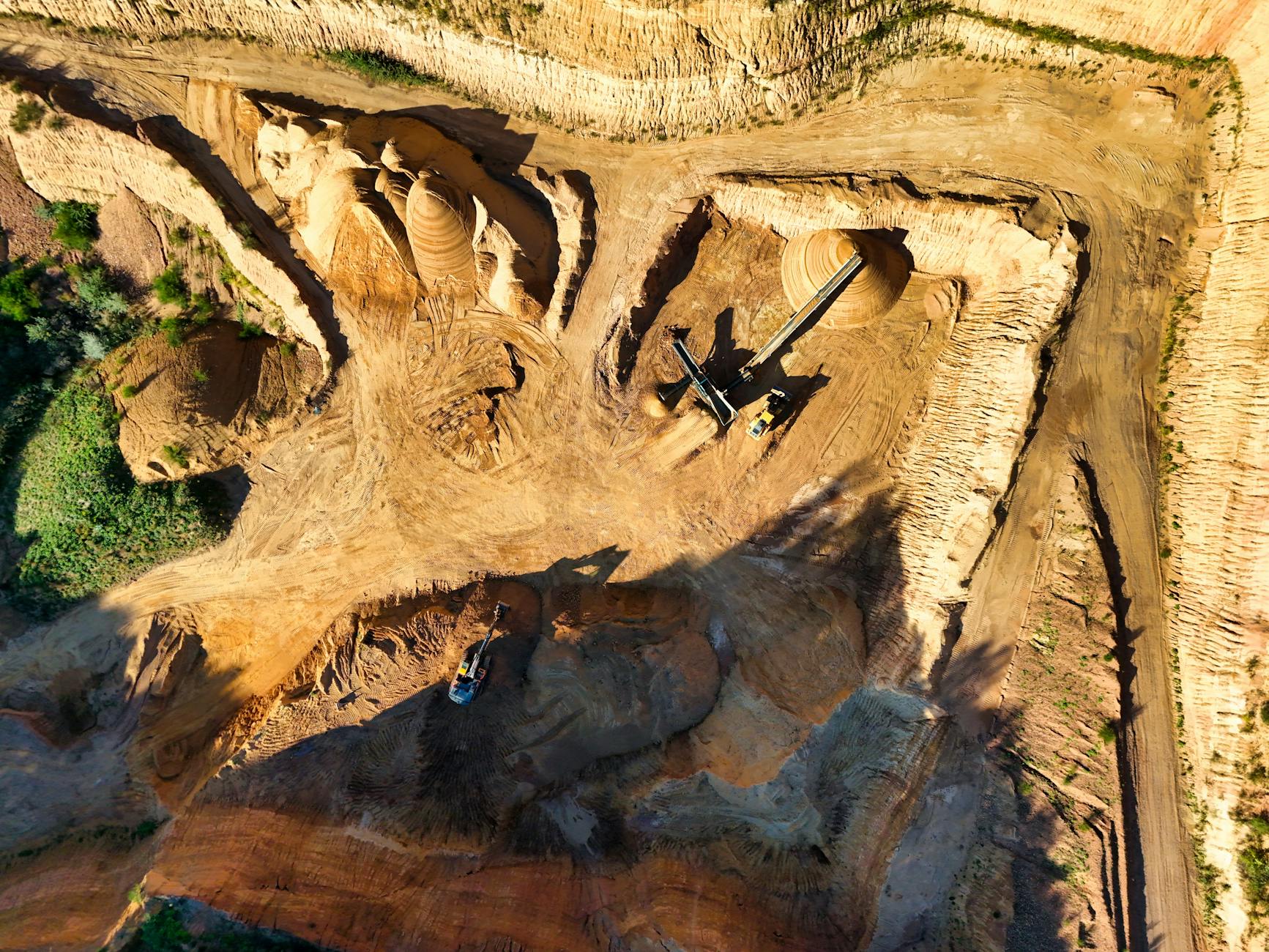
A visualization of asteroid mining operations, showing robotic craft extracting resources from an asteroid.
5. Miniaturization and Scalability
The trend towards miniaturization, particularly in small satellites and CubeSats, is democratizing space access and enabling new mission architectures. Scalable propulsion systems, from sub-kilowatt electric thrusters for small spacecraft to high-power nuclear systems for large exploration vehicles, are essential for a diverse fleet capable of tackling various deep space objectives.
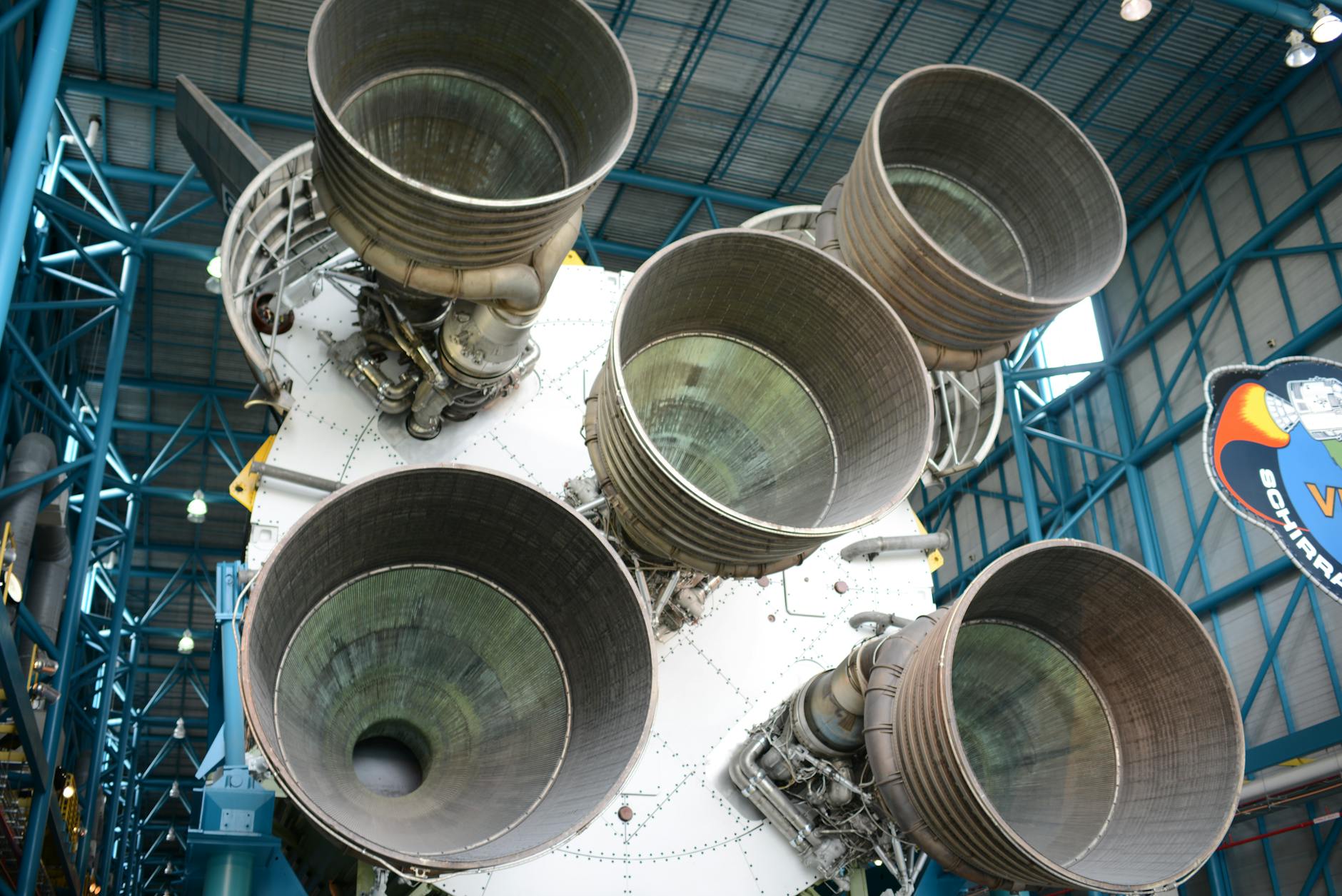
A comparison of spacecraft sizes, showing a large nuclear-powered vessel alongside smaller, modular electric propulsion craft.
The Road Ahead: A Future Propelled by Innovation
The journey into the deep cosmos is accelerating, propelled by relentless innovation in propulsion technology and strategic foresight. Nuclear and advanced electric propulsion systems are not merely theoretical concepts; they are rapidly maturing technologies poised to redefine the speed and reach of human and robotic exploration. Coupled with breakthroughs in materials science, the pervasive influence of AI, robust international collaboration, and a growing economic imperative, these advancements are charting a course for an unprecedented era of cosmic discovery. The challenges are significant, from engineering complexities to the vast distances involved, but the trajectory is clear: humanity is on the cusp of becoming a truly interplanetary species, driven by the insatiable desire to explore and understand the universe.
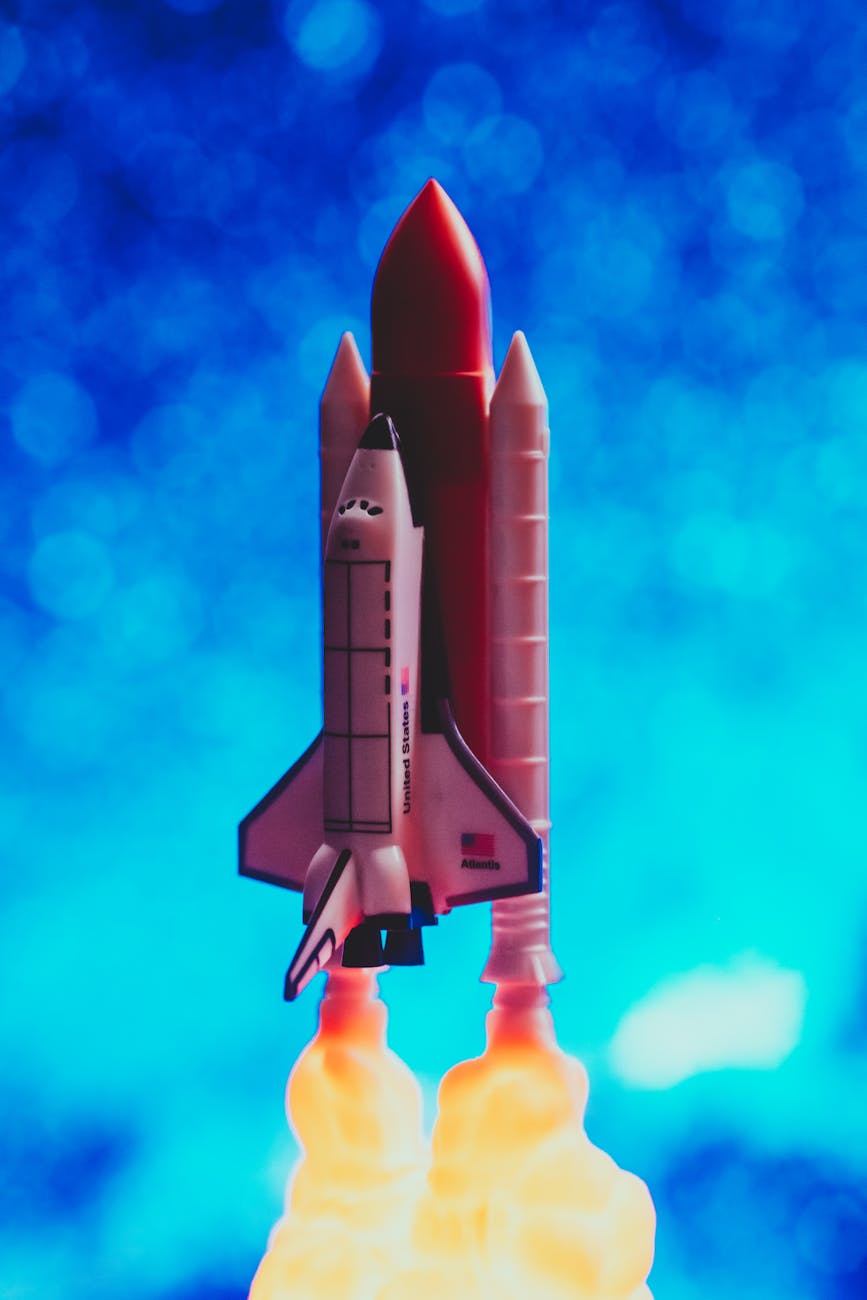
A breathtaking artistic rendering of a fleet of advanced spacecraft venturing into the depths of interstellar space, powered by next-generation propulsion.
The Vespellar Nexus Autonomous Archive meticulously documents this epochal shift, recognizing that the propulsion systems of today are the vessels that will carry humanity’s legacy to the stars tomorrow.