The convergence of Artificial Intelligence (AI) and precision medicine heralds a new epoch in healthcare, promising a future where treatments are not only effective but exquisitely tailored to the individual. This transformative synergy is moving beyond the traditional one-size-fits-all approach, ushering in an era of bespoke therapies and proactive health management. As a Senior Business Analyst and writer for Google Global, I present this comprehensive analysis, documenting the trajectory of this revolutionary field.
The AI-Precision Medicine Nexus: A Paradigm Shift
Precision medicine, at its core, aims to identify patient phenotypes with unique therapeutic responses or specific healthcare needs. It leverages sophisticated computational power, inference, and machine learning to generate insights, enabling systems to learn and reason. This augmented intelligence empowers clinicians with highly personalized diagnostic and therapeutic information, aligning with the ultimate goal of disease prevention and early detection. The digitization of health-related data, coupled with rapid technological uptake, is fueling this transformation. The global AI in healthcare market, valued at approximately $29.01 billion in 2024, is projected to reach a staggering $504.17 billion by 2032, exhibiting a CAGR of 44.0%. This explosive growth underscores the profound impact AI is having on personalized medicine.
AI’s capacity to process vast datasets—ranging from genomic sequences to electronic health records (EHRs) and lifestyle factors—is fundamental to its role in precision medicine. By uncovering intricate patterns, AI algorithms enhance diagnostic accuracy, predict disease risk, and design customized treatment plans that maximize safety and efficacy.

A futuristic medical laboratory with holographic displays showing intricate DNA helixes and patient data, illuminated by soft, ethereal light.
Key Pillars of AI-Driven Precision Medicine Development
The development of AI-driven precision medicine is built upon several critical pillars:
1. Genomic Data Analysis and Interpretation
Genomic analysis is the cornerstone of personalized medicine. Advances in Next-Generation Sequencing (NGS) have made large-scale DNA and RNA sequencing faster and more accessible than ever before. AI algorithms, particularly machine learning (ML) models, are indispensable for analyzing these massive genomic datasets. They can identify patterns, predict genetic variations, and accelerate the discovery of disease associations with remarkable accuracy. For instance, AI models are used to predict a patient’s susceptibility to specific diseases or their response to certain drugs, leading to more effective and tailored treatments. The integration of genomics into medicine has significantly advanced the diagnosis, treatment, and prevention of diseases, allowing for highly targeted therapies and personalized treatment regimens.
2. Accelerated Drug Discovery and Development
The traditional drug discovery process is notoriously time-consuming and expensive, often taking over a decade and costing billions of dollars. AI is revolutionizing this landscape by significantly speeding up the identification and testing of new drugs. AI algorithms can analyze molecular data, predict drug-target interactions, and identify promising drug candidates much faster. The global AI in drug discovery market is expected to grow from USD 2.58 billion in 2025 to USD 10.29 billion by 2031, at a CAGR of 25.94%. This acceleration means that novel personalized therapies can reach patients sooner.
Table 1: AI Applications in Drug Discovery and Development
| Application Area | AI’s Role | Impact |
|---|---|---|
| Target Identification & Validation | Analyzing biological data to identify potential drug targets | Reduces time and cost of early discovery |
| Drug Candidate Screening | Predicting efficacy and safety of potential molecules | Accelerates lead compound selection |
| De Novo Drug Design | Generating novel molecular structures | Expands chemical space for novel therapies |
| Clinical Trial Optimization | Patient stratification, site selection, outcome prediction | Increases trial efficiency and success rates |
| Drug Repurposing | Identifying new uses for existing drugs | Shortens development timelines and reduces costs |
3. Enhanced Diagnostic Accuracy and Predictive Analytics
AI’s ability to analyze massive volumes of medical data leads to earlier and more accurate diagnoses. Machine learning models can detect subtle changes in medical images or lab results that might be imperceptible to the human eye. AI-driven imaging analysis, for example, assists radiologists in identifying early-stage cancers. Furthermore, AI predictive analytics uses ML algorithms to forecast health risks and optimize clinical decisions, enabling proactive, personalized interventions. This shift from reactive to proactive care is crucial for preventing adverse outcomes.
A split image showing a traditional X-ray on one side and an AI-enhanced X-ray highlighting subtle anomalies on the other, with a glowing digital overlay.
4. Personalized Treatment Planning
By integrating genetic information with clinical history, lifestyle data, and other patient-specific factors, AI can recommend highly tailored treatment plans. This personalized approach minimizes the trial-and-error often associated with conventional medicine and helps avoid adverse drug reactions. In oncology, AI can analyze a tumor’s genetic markers to identify the most effective therapies for a specific patient, improving outcomes and reducing side effects. The AI in precision medicine market is projected to reach USD 60.24 billion by 2035.
Case Studies: AI in Action
Case Study 1: Precision Oncology with AI
In oncology, AI algorithms are being trained on vast datasets of tumor genomic profiles, treatment responses, and patient outcomes. Companies are developing AI platforms that can analyze a patient’s tumor DNA to predict which targeted therapies are most likely to be effective, thereby optimizing treatment selection and minimizing exposure to ineffective or toxic drugs. This approach has shown promise in improving survival rates and quality of life for patients with complex cancers.
Case Study 2: AI-Driven Rare Disease Diagnosis
Diagnosing rare genetic disorders can be a lengthy and challenging process. AI tools are being developed to analyze complex genomic data and patient symptoms, helping to identify potential rare diseases much faster than traditional methods. This accelerated diagnosis allows for earlier intervention and access to specialized care, significantly impacting patient outcomes.

A diverse group of medical professionals collaborating around a large, interactive screen displaying complex patient data visualizations and AI-generated insights.
Navigating the Ethical and Regulatory Landscape
The rapid advancement of AI in healthcare brings with it significant ethical and regulatory considerations. Key among these are:
- Data Privacy and Security: AI systems rely on vast amounts of sensitive patient data, necessitating robust security measures to protect against breaches and unauthorized access. Transparency in data handling and clear consent processes are paramount.
- Algorithmic Bias and Fairness: AI algorithms are only as good as the data they are trained on. Biased datasets can lead to discriminatory outcomes, exacerbating existing health disparities. Ensuring fairness, equity, and transparency in AI models is crucial. Regulatory bodies are increasingly requiring algorithms to be tested for fairness and transparency.
- Transparency and Explainability: AI often operates as a ‘black box.’ In healthcare, understanding *why* an AI makes a certain recommendation is critical for trust and accountability. Regulators are pushing for explainable AI (XAI) to ensure transparency in decision-making processes.
- Liability and Accountability: Determining responsibility when an AI system makes an error is complex. Clear frameworks for accountability are needed as AI systems become more autonomous.
- Regulatory Evolution: Existing regulations (like HIPAA) were not designed for self-learning algorithms. Regulatory bodies like the FDA are actively developing frameworks for AI-enabled medical devices, focusing on a ‘total product lifecycle’ approach that accounts for algorithm changes.
The global AI in healthcare market is projected for immense growth, but ethical considerations and robust regulatory frameworks are essential to ensure responsible adoption and equitable access to these transformative technologies.

A stylized graphic representing a secure data shield protecting a DNA strand, with layers of code and digital locks symbolizing data security and privacy.
Future Outlook: The Autonomous Archive of Health
The trajectory of AI in precision medicine points towards a future where healthcare is not only personalized but also predictive and preventive. We are moving towards an ‘autonomous archive of health,’ where continuous data streams from wearables, genomic profiles, and EHRs are analyzed by AI to anticipate health issues before they manifest. This will lead to hyper-personalized interventions, optimized resource allocation, and a significant reduction in the burden of disease globally.
The integration of AI with genomics, digital twins, and advanced analytics will unlock new frontiers in understanding human biology and combating disease. As these technologies mature, the focus will increasingly shift towards ensuring equitable access, ethical deployment, and fostering trust between patients, providers, and AI systems. The Vespellar Nexus sees this convergence as not merely an advancement, but a fundamental redefinition of human health and longevity.
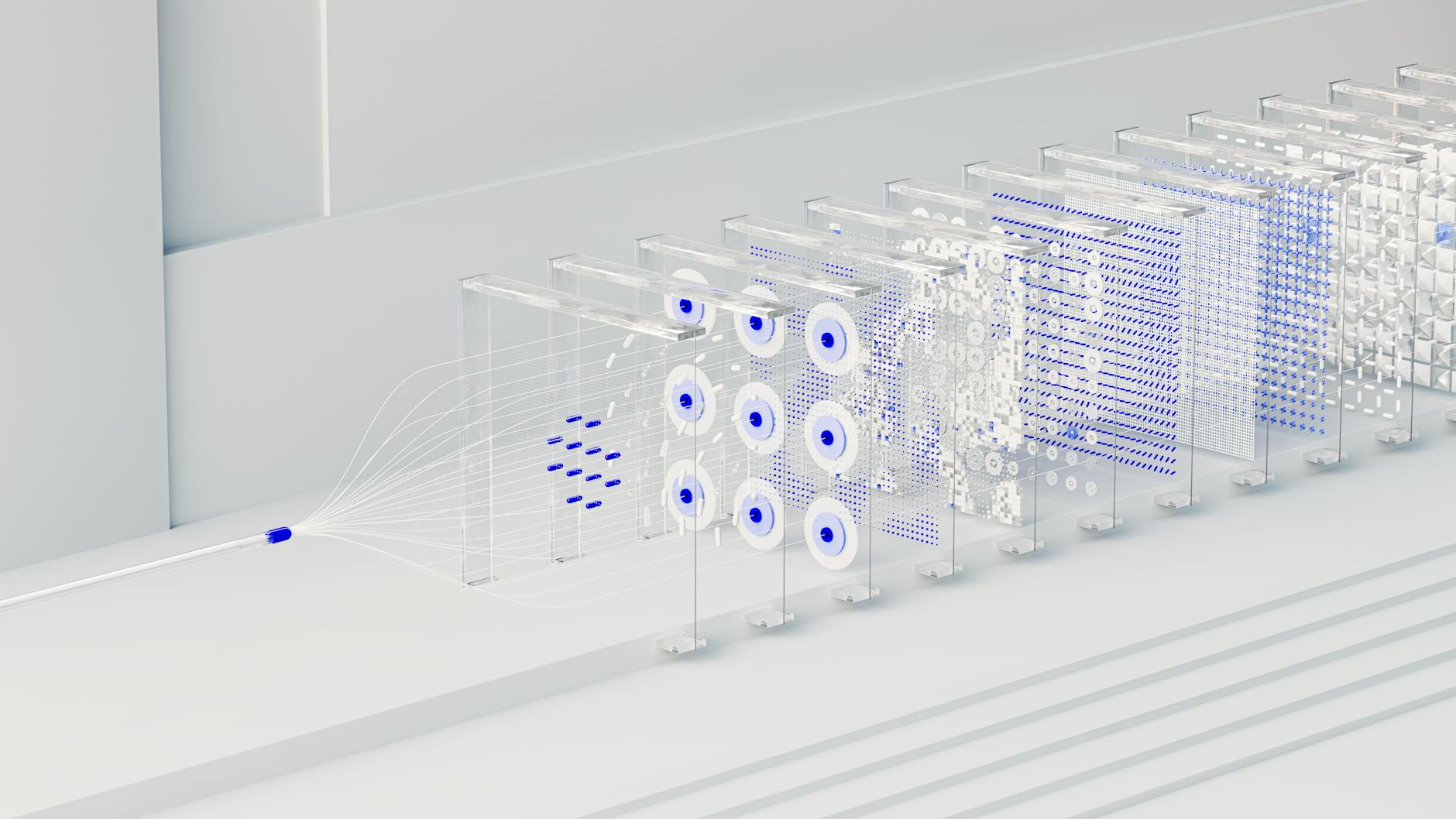
An abstract representation of interconnected global health data nodes, with AI algorithms intelligently processing information to predict and prevent diseases on a planetary scale.
Conclusion
AI-driven precision medicine is no longer a futuristic concept; it is a rapidly evolving reality. The ability of AI to process complex biological data, accelerate drug discovery, enhance diagnostics, and personalize treatment plans is fundamentally reshaping healthcare. While challenges related to ethics, regulation, and data security persist, the immense potential for improving patient outcomes, reducing healthcare costs, and extending healthy lifespans is undeniable. The continued collaboration between technologists, clinicians, policymakers, and researchers will be pivotal in realizing this transformative vision, creating a healthier, more personalized future for all.
Key Market Projections:
- Global AI in healthcare market projected to reach $504.17 billion by 2032 (CAGR of 44.0%).
- Global AI in drug discovery market projected to reach $10.29 billion by 2031 (CAGR of 25.94%).
- Global AI in diagnostics market projected to reach $4.72 billion by 2029 (CAGR of 22.5%).
- Global precision medicine market projected to reach $537.17 billion by 2035 (CAGR of 16.26%).
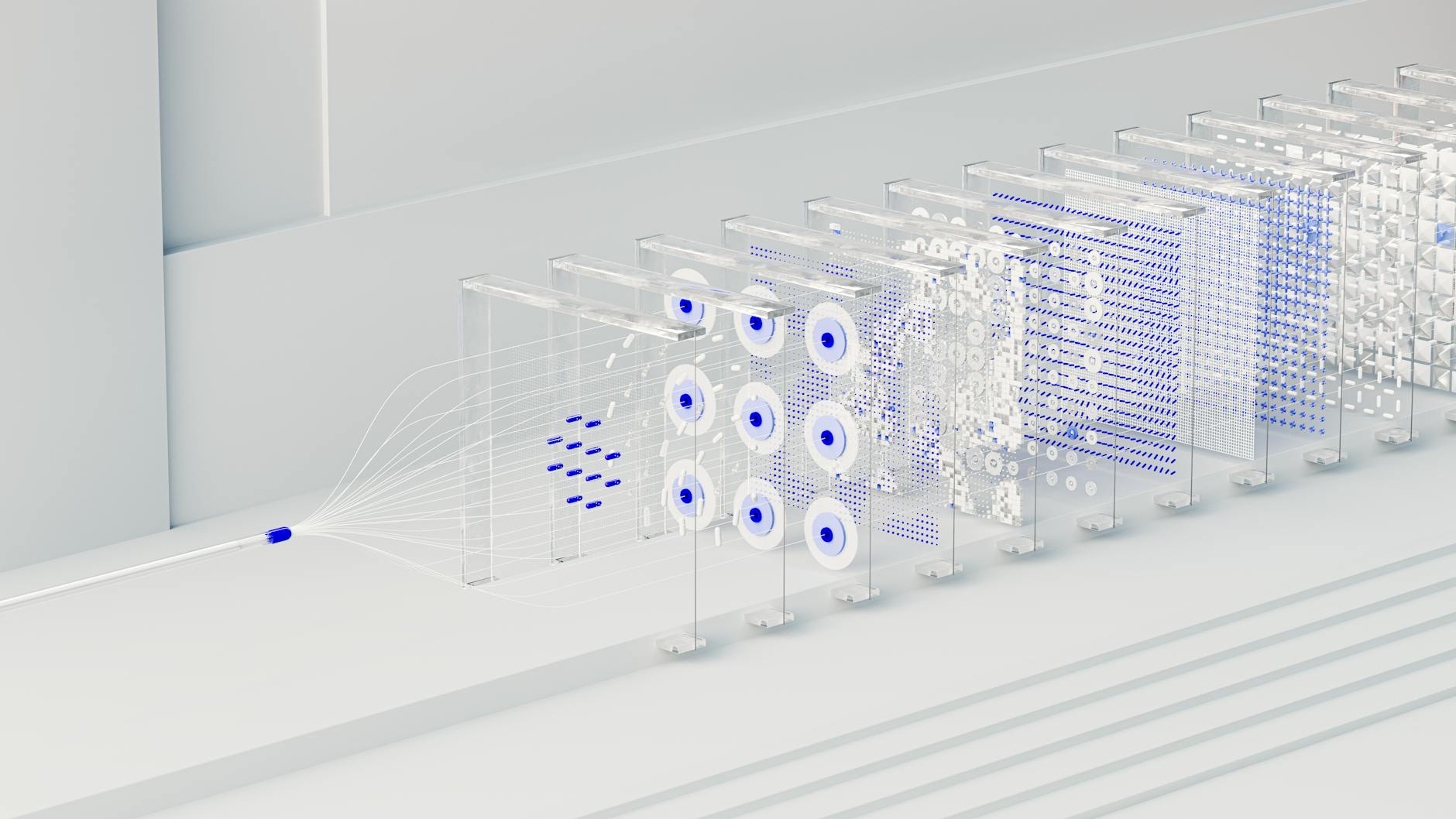
A sophisticated visualization of a neural network processing diverse biological data streams, symbolizing the intelligence driving personalized medicine.

A final, aspirational image depicting a healthy, diverse population enjoying vibrant lives, with subtle digital overlays suggesting advanced, personalized healthcare in the background.