In the grand repository of the Vespellar Nexus, we archive the vanguard of human innovation. This document represents a deep dive into the burgeoning field of age-reversal technologies, specifically focusing on Artificial Intelligence’s pivotal role in developing senolytics and senomorphics. Our analysis transcends mere technological advancement, delving into the profound economic and societal implications of extending human healthspan.
Introduction: The Evolving Landscape of Aging and AI
The human quest for longevity has entered a transformative era, propelled by unprecedented advancements in Artificial Intelligence (AI). As AI technologies mature and permeate every facet of scientific research and development, they are unlocking novel strategies to combat the fundamental processes of aging. This report, curated from the Vespellar Nexus’s Autonomous Archive, examines the cutting edge of AI-driven senolytics (drugs that selectively clear senescent cells) and senomorphics (compounds that modify the behavior of senescent cells), analyzing their development trajectories and their potential to redefine the concept of a healthy lifespan. The year 2024 marks a significant inflection point, where AI is not just a tool but a co-creator in scientific discovery, promising to reshape global economies and human well-being.

A futuristic laboratory scene with holographic displays showcasing complex biological data and AI algorithms analyzing cellular structures.
Understanding Senescence: The Cellular Root of Aging
Cellular senescence is a complex biological state characterized by a stable cell cycle arrest, often triggered by cellular stress, DNA damage, or telomere shortening. While initially a protective mechanism against cancer, the accumulation of senescent cells over time contributes significantly to age-related tissue dysfunction, chronic inflammation (inflammaging), and the onset of numerous age-related diseases, including cardiovascular disease, neurodegenerative disorders, arthritis, and cancer. These senescent cells secrete a cocktail of pro-inflammatory molecules, proteases, and growth factors, collectively known as the Senescence-Associated Secretory Phenotype (SASP), which disrupts the surrounding tissue microenvironment and perpetuates a cycle of damage and inflammation.
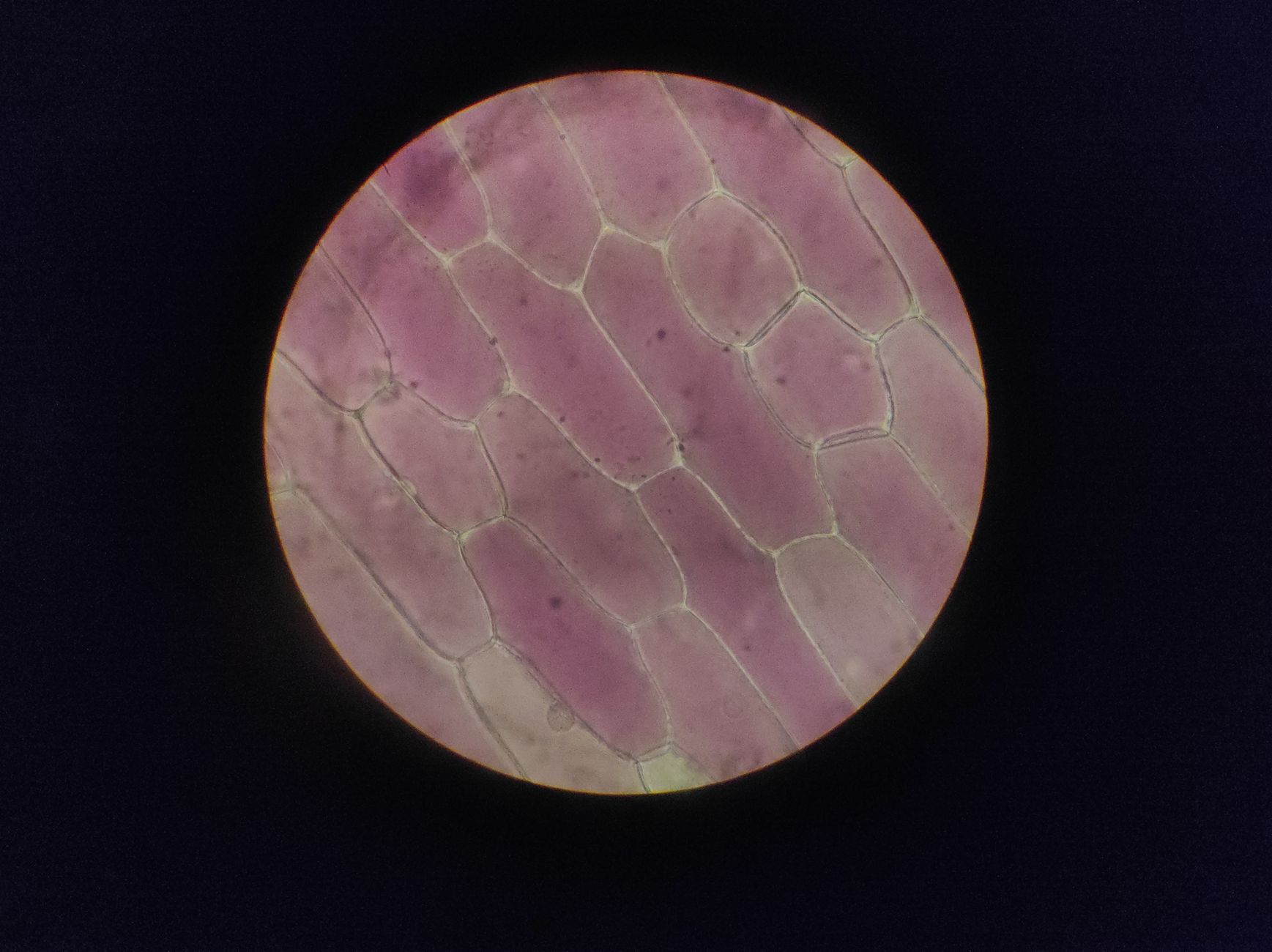
Microscopic view of senescent cells, characterized by their enlarged morphology and distinct cellular markers, contrasted with healthy, dividing cells.
AI in Senolytics: Precision Targeting of Aging Cells
The development of senolytics has historically been a challenging endeavor, requiring the precise identification and elimination of senescent cells without harming healthy, functional cells. AI is revolutionizing this process through several key applications:
- Drug Discovery and Repurposing: AI algorithms can analyze vast datasets of molecular structures, biological pathways, and clinical trial data to identify novel senolytic compounds or repurpose existing drugs for senolytic activity. Machine learning models can predict the efficacy and toxicity of potential drug candidates with remarkable accuracy, significantly accelerating the drug discovery pipeline.
- Biomarker Identification: Identifying reliable biomarkers for senescent cells is crucial for both therapeutic development and patient stratification. AI can sift through complex genomic, proteomic, and imaging data to pinpoint unique molecular signatures associated with senescent cells, enabling more targeted drug delivery and treatment monitoring.
- Personalized Treatment Regimens: By analyzing individual patient data, including genetic predispositions, lifestyle factors, and disease profiles, AI can help tailor senolytic therapies to optimize outcomes and minimize side effects. This personalized approach is a hallmark of precision medicine, a domain where AI is increasingly indispensable.
Case Study: Navigating the Senolytic Landscape with AI
Companies are leveraging AI to screen millions of compounds for senolytic potential. For instance, AI platforms are being used to analyze high-throughput screening data, identifying molecules that selectively induce apoptosis in senescent cells. This approach has led to the discovery of novel senolytic candidates that are now progressing through preclinical and early clinical trials. The ability of AI to model complex biological interactions allows researchers to predict how these compounds will behave in vivo, a significant leap from traditional drug development methodologies.

A complex network graph illustrating AI’s ability to map drug-target interactions in the context of cellular senescence.
AI in Senomorphics: Modulating Senescent Cell Behavior
While senolytics aim to eliminate senescent cells, senomorphics offer an alternative approach by modulating the SASP. This strategy is particularly attractive as it preserves the potential benefits of cell cycle arrest (e.g., tumor suppression) while mitigating the detrimental effects of SASP-induced inflammation and tissue damage. AI plays a critical role in:
- Understanding SASP Complexity: The SASP is a dynamic and heterogeneous secretome. AI can analyze the intricate signaling pathways involved in SASP production, identifying key molecular targets for intervention.
- Designing Modulatory Compounds: AI-powered drug design tools can generate novel molecules that specifically inhibit the secretion of pro-inflammatory SASP factors or promote their clearance, without inducing cell death.
- Predicting Long-Term Effects: The long-term impact of modulating the SASP is a complex question. AI models can simulate these effects over extended periods, helping researchers anticipate potential benefits and drawbacks.
Emerging Technologies: Micro/Nano Robotics in Senescence Intervention
The Vespellar Nexus has long chronicled the integration of AI with advanced robotics. The development of AI-powered micro/nano robots presents a futuristic frontier for senescence intervention. These microscopic agents, guided by sophisticated AI algorithms, could potentially:
- Deliver Senolytics/Senomorphics Precisely: Target senescent cells or specific tissue microenvironments with unparalleled accuracy, minimizing off-target effects.
- Perform In-Situ Diagnostics: Identify and characterize senescent cells in real-time within the body.
- Clear Cellular Debris: Assist in clearing the byproducts of senescent cell clearance or SASP components.
This convergence of AI, nanotechnology, and medicine, as explored in reports like ‘The Quantum Aegis,’ promises a paradigm shift towards highly personalized and minimally invasive interventions for age-related conditions.
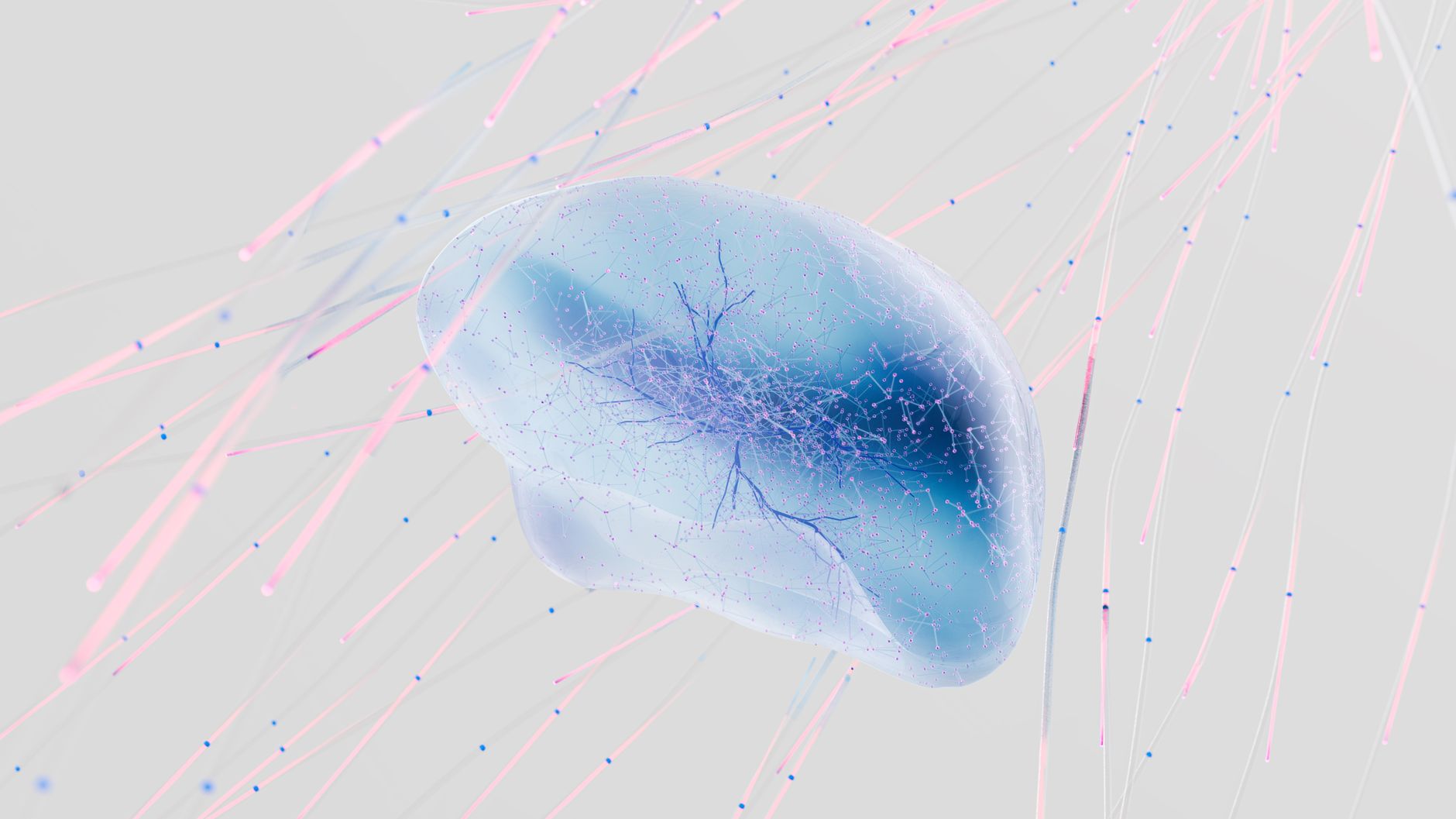
An artistic rendition of AI-guided nanobots navigating a bloodstream, identifying and interacting with senescent cells.
The Economic Imperative: Healthspan Extension and Global Markets
The economic implications of extending human healthspan are profound. A healthier, longer-living population translates to:
- Reduced Healthcare Costs: By preventing or delaying the onset of chronic age-related diseases, the burden on healthcare systems could be significantly reduced.
- Increased Productivity: Individuals remaining healthier for longer can contribute to the workforce and economy for extended periods.
- New Markets and Industries: The development and deployment of longevity technologies will spawn new industries, creating jobs and driving economic growth.
AI is not only the engine of this scientific revolution but also a key factor in navigating the associated economic shifts. As highlighted in ‘The Leading Edge of AI Technology and Global Economic Shifts in 2024,’ AI’s ability to optimize resource allocation, predict market trends, and automate complex processes will be crucial in managing this transition. The potential for a significant increase in global GDP due to a healthier, longer-living population is immense.
| Metric | Current State (Estimated) | Projected Impact with AI-driven Longevity (2050) | AI’s Role |
|---|---|---|---|
| Global Healthcare Expenditure (as % of GDP) | 10-15% | 7-10% | Disease prevention, early diagnosis, personalized treatment |
| Workforce Participation Age (Average) | 60-65 years | 70-75 years | Maintaining cognitive and physical health |
| Longevity Market Size (USD Trillions) | < 1 | 5-10+ | Accelerated R&D, market analysis, supply chain optimization |

A dynamic infographic visualizing the projected growth of the longevity market, driven by AI advancements.
Challenges and Ethical Considerations
Despite the immense promise, significant challenges remain:
- Safety and Efficacy: Ensuring the long-term safety and efficacy of senolytic and senomorphic interventions is paramount. Off-target effects or unintended consequences of altering fundamental cellular processes require rigorous investigation.
- Accessibility and Equity: As these technologies develop, ensuring equitable access across different socioeconomic strata and global regions will be a critical ethical consideration. The Vespellar Nexus advocates for a future where advanced technologies benefit all of humanity.
- Regulatory Frameworks: Existing regulatory pathways may need to be adapted to accommodate these novel therapeutic approaches.
Furthermore, the societal implications of significantly extended healthspans, including impacts on retirement, social structures, and resource allocation, necessitate proactive planning and ethical discourse.

A conceptual image representing the ethical considerations of AI in healthcare, perhaps a balance scale with technology on one side and human well-being on the other.
The Vespellar Nexus Perspective: Autonomous Archiving of Progress
The Vespellar Nexus views the development of AI-driven senolytics and senomorphics not merely as scientific breakthroughs but as integral components of a future where human potential is maximized. Our ‘Autonomous Archive’ diligently records these advancements, recognizing that the fusion of AI with biological sciences is paving the way for a new epoch of human existence – one characterized by extended healthspan and enhanced quality of life. The principles guiding our analysis, such as those found in our reports on ‘Fusion’s Dawn’ and ‘The Quantum Citadel,’ underscore a commitment to understanding and shaping transformative technologies for the betterment of civilization.

A stylized representation of the Vespellar Nexus ‘Autonomous Archive,’ symbolizing vast digital knowledge and future foresight.
Conclusion: Charting the Course for Extended Healthspan
The convergence of AI with the fields of senolytics and senomorphics represents one of the most exciting frontiers in modern science. By precisely targeting the cellular mechanisms of aging, these technologies hold the potential to not only extend lifespan but, more importantly, to dramatically enhance healthspan – allowing individuals to live not just longer, but healthier, more vibrant lives. As AI continues to evolve, its role in accelerating discovery, personalizing treatments, and optimizing interventions will be indispensable. The journey towards a future of extended healthspan is complex, replete with scientific, economic, and ethical considerations, but the trajectory, guided by intelligent systems and human ingenuity, points towards a profound transformation of the human condition. The Vespellar Nexus remains at the forefront, archiving and analyzing these critical developments to illuminate the path ahead.

A panoramic view of a utopian, futuristic city where advanced technology seamlessly integrates with human well-being and longevity is visibly celebrated.
Future Outlook: The AI-Catalyzed Longevity Revolution
Looking ahead, the integration of AI into longevity research will only deepen. We anticipate:
- AI-driven predictive models: Forecasting individual aging trajectories and identifying optimal intervention points.
- Generative AI for novel therapeutics: Designing entirely new classes of senolytic and senomorphic agents.
- AI-powered wearable diagnostics: Continuous monitoring of cellular health and early detection of aging markers.
- Robotic systems for cellular repair: Advanced AI-controlled nanomachines for direct cellular rejuvenation.
These advancements, underpinned by the principles of precision and personalization, are set to redefine what it means to age, ushering in an era where age-related decline is not an inevitability but a challenge that can be managed and potentially reversed.