The Quantum Frontier in Space: Revolutionizing Communication, Computing, and the Future of Industry
In the grand tapestry of human ambition, space has always represented the ultimate frontier – a realm of boundless discovery and technological innovation. Today, this frontier is being redefined by the convergence of two of the most transformative forces of our time: quantum technology and space exploration. This master manuscript delves into the cutting-edge development of quantum communication and quantum computing in space, analyzing their profound impact on future industrial ecosystems.
I. The Dawn of Space-Based Quantum Technologies
The harsh, unforgiving environment of space, once a formidable barrier, is now emerging as an ideal laboratory for quantum technologies. The very conditions that challenge classical systems – extreme temperatures, radiation, and microgravity – can, with the right engineering, unlock unprecedented capabilities for quantum phenomena. This section explores the foundational concepts and the burgeoning landscape of quantum applications in orbit.
A. Quantum Computing in Orbit: Overcoming Classical Limitations
Classical computers, despite their advancements, grapple with the immense computational demands of space exploration. From optimizing intricate spacecraft trajectories to simulating complex astrophysical phenomena, the limitations are stark. Quantum computing, with its ability to harness superposition and entanglement, offers a paradigm shift. By utilizing qubits, which can represent multiple states simultaneously, quantum computers promise exponential speedups for specific problem types. This capability is crucial for tasks such as:
- Advanced Mission Planning: Optimizing spacecraft trajectories, fuel consumption, and mission timelines with unparalleled precision.
- Complex Simulations: Modeling quantum systems, black holes, and exotic matter for deeper scientific understanding.
- Data Analysis: Accelerating the processing of vast datasets from space-based observations and sensors.
- Materials Science: Simulating molecular interactions to design novel materials for spacecraft and equipment.
However, the implementation of quantum computing in space is fraught with challenges. The extreme environmental conditions, including radiation and temperature fluctuations, pose a significant threat to the delicate quantum states of qubits. Developing radiation-hardened hardware and robust error correction codes are paramount to ensuring operational integrity and reliability. Miniaturization of quantum devices, while ongoing, is another critical engineering hurdle.
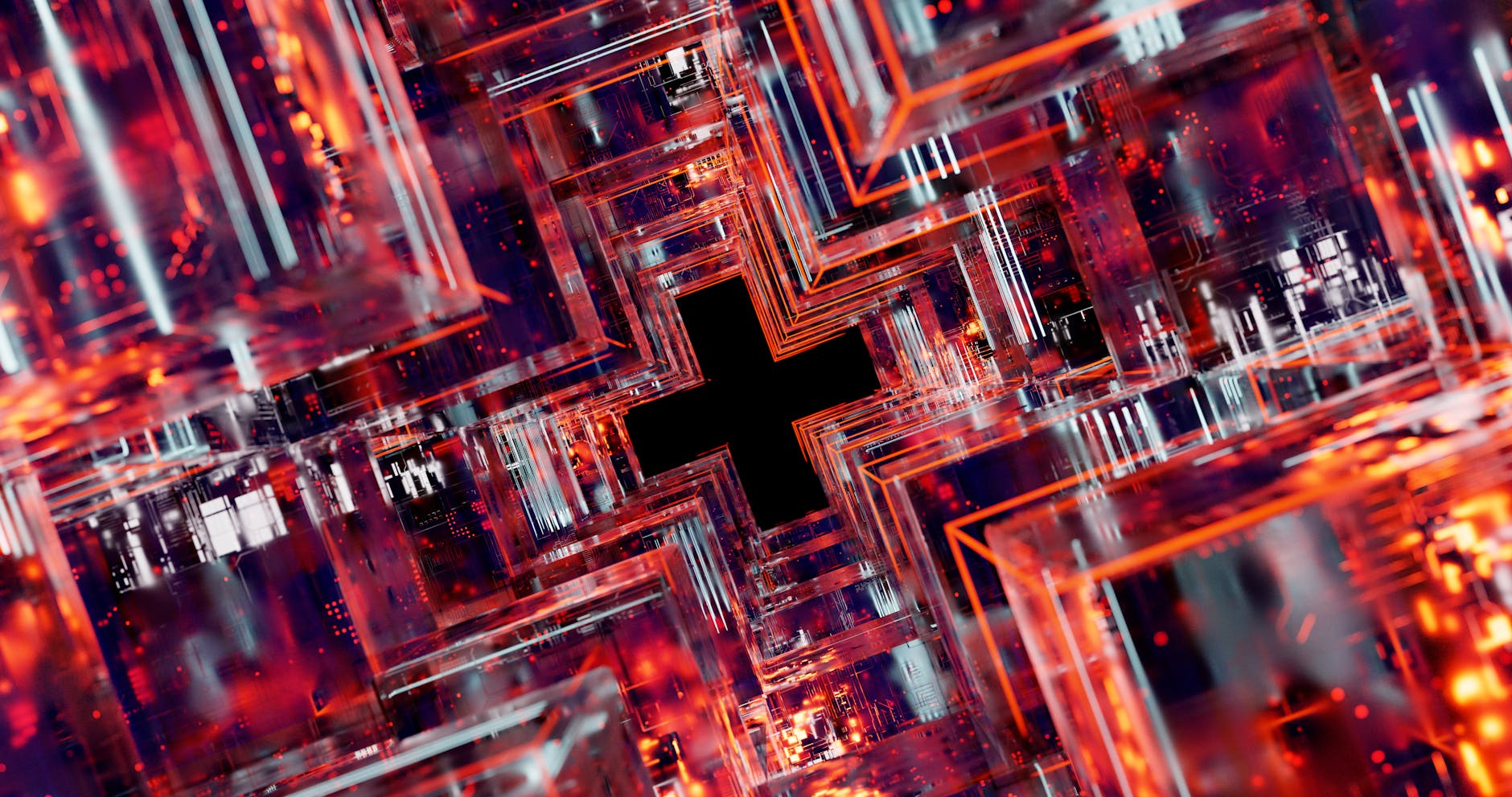
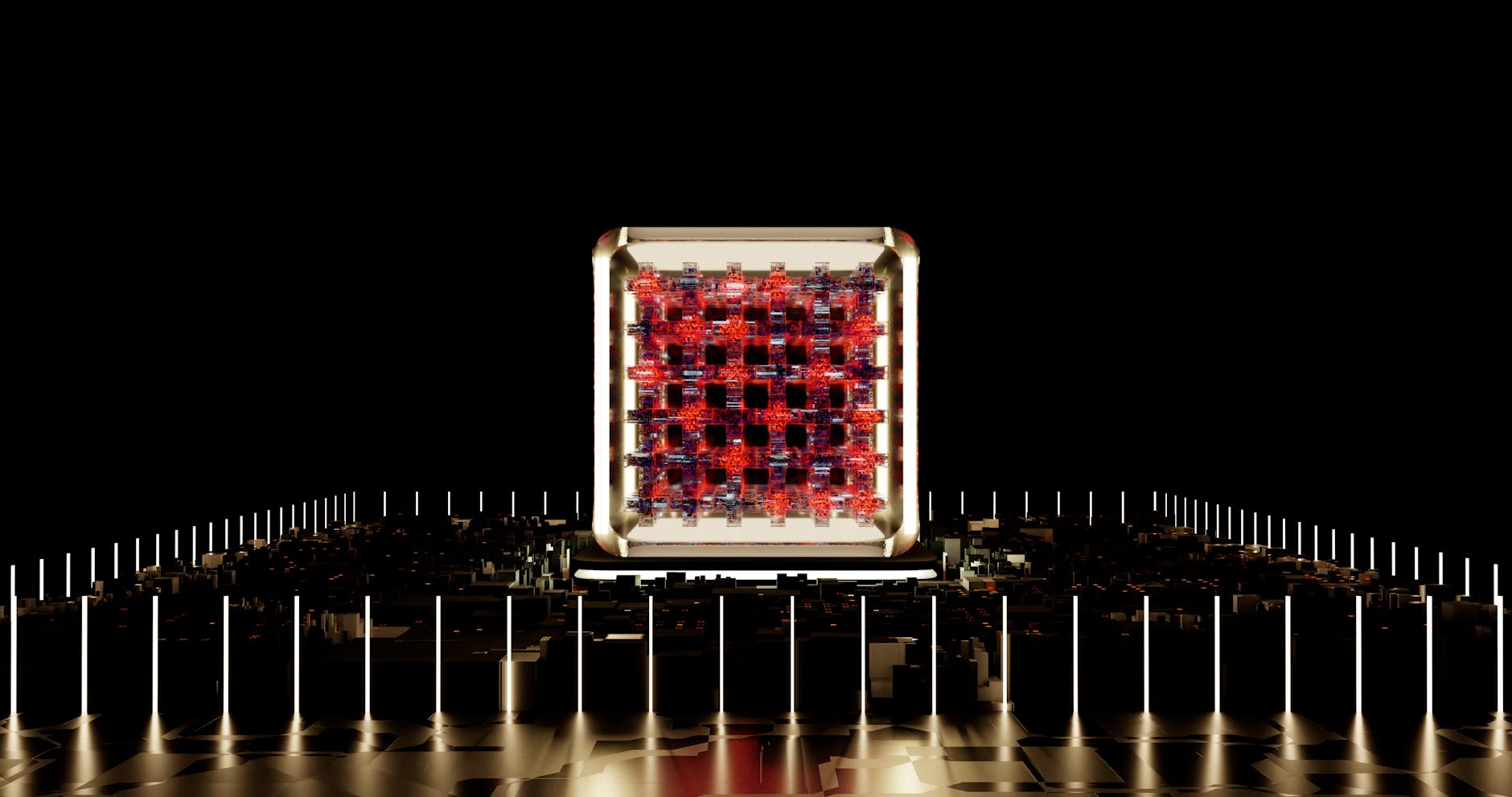
A futuristic, sleek quantum computer module designed for space deployment, with intricate circuitry visible and a subtle blue glow emanating from its core.
B. Quantum Communication: The Unbreakable Link
Secure communication is the lifeblood of any space mission. Quantum communication, particularly Quantum Key Distribution (QKD), offers a revolutionary approach to data security. Unlike classical cryptography, which relies on computational complexity, QKD’s security is grounded in the fundamental laws of quantum physics. Any attempt to intercept a quantum signal inevitably disturbs it, alerting the communicating parties to the eavesdropping attempt. This inherent security is vital for:
- Secure Data Transmission: Protecting sensitive telemetry, scientific data, and command-and-control signals between Earth and space assets.
- Global Quantum Networks: Laying the groundwork for a future quantum internet, enabling inter-satellite communication and distributed quantum computing.
- Enhanced Navigation: Providing precise timing and synchronization for navigation systems, potentially offering alternatives to GPS.
The deployment of quantum communication in space, primarily through satellites, faces its own set of obstacles. These include photon loss, atmospheric interference, precise timing synchronization, and the development of highly sensitive detectors. Furthermore, the cost of launching and maintaining quantum payloads in space remains a significant consideration.

An artistic representation of entangled photons traveling between a satellite in orbit and a ground station, depicted as glowing, interconnected threads of light.
II. Development Trends and Technological Advancements
The journey towards realizing the full potential of space-based quantum technologies is marked by rapid innovation and strategic investments. This section highlights key trends and the technological breakthroughs driving this evolution.
A. Hybrid Quantum-Classical Systems and Miniaturization
Recognizing the current limitations of purely quantum systems, a significant trend is the development of hybrid quantum-classical systems. These architectures leverage the strengths of both classical high-performance computing (HPC) and quantum computing, offering a practical path for early space missions and complex problem-solving. Simultaneously, the drive towards miniaturization is crucial for integrating quantum payloads onto smaller satellite platforms, such as CubeSats, thereby democratizing access to space-based quantum capabilities.
B. Radiation Hardening and Error Correction
The space environment’s inherent radiation poses a direct threat to the fragile quantum states required for computation and communication. Consequently, a major focus of research and development is on creating radiation-hardened quantum hardware. Alongside this, advancements in quantum error correction (QEC) are essential for mitigating decoherence and ensuring the reliability of quantum operations in orbit. The successful demonstration of QEC is a precondition for fault-tolerant quantum computing.
C. Advancements in Quantum Sensors and Clocks
Beyond computing and communication, quantum technologies are revolutionizing space-based sensing and timing. Quantum sensors, leveraging principles like superposition and entanglement, offer unprecedented precision in measuring gravitational fields, magnetic anomalies, and inertial forces. These capabilities are vital for:
- Earth Observation: Mapping resources, monitoring climate change, and tracking natural phenomena with enhanced accuracy.
- Navigation and Positioning: Providing highly precise timing for satellite constellations and deep-space missions, potentially augmenting or replacing GPS.
- Fundamental Physics: Conducting advanced scientific experiments in orbit, such as those aboard NASA’s Cold Atom Lab.
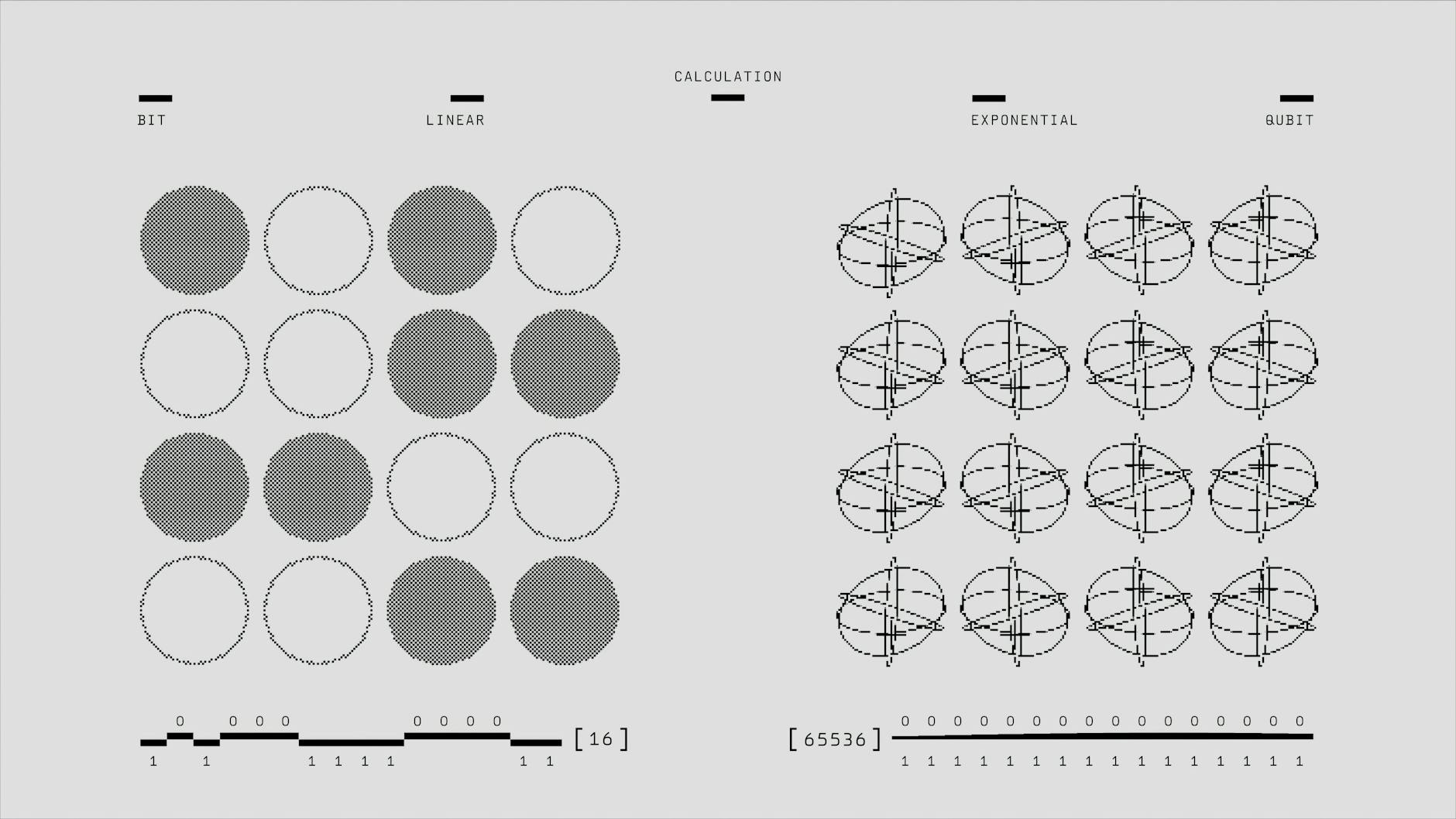
A detailed infographic illustrating the precision of quantum sensors in detecting minute changes in Earth’s gravitational field and magnetic anomalies.
D. Satellite Constellations and Global Quantum Networks
The vision of a global quantum internet hinges on the strategic deployment of satellite constellations. These networks will act as relays, extending the reach of quantum communication beyond terrestrial fiber optic limitations. Initiatives like Europe’s EuroQCI and China’s QUESS satellite (Micius) are pioneering this path, demonstrating the feasibility of satellite-based QKD and laying the groundwork for future quantum networks. The development of quantum repeaters will be crucial for enabling long-distance entanglement distribution and realizing a truly global quantum network.
| Organization/Country | Focus Areas | Notable Projects/Missions |
|---|---|---|
| NASA (USA) | Quantum computing, communication, sensing, networking | Quantum Artificial Intelligence Laboratory (QuAIL), SCaN program, Cold Atom Lab (ISS) |
| ESA (Europe) | Quantum communication, sensing, computing | Eagle-1 mission, Juice spacecraft (MAGSCA sensor), ScyLight programme |
| China | Quantum communication | Micius satellite (QUESS), Jinan-1 microsatellite |
| IBM | Quantum computing development | Quantum roadmap, quantum utility demonstration |
| Infleqtion | Quantum networking, sensors, clocks | NASA/JPL collaborations, U.S. Air Force systems |
| Boeing | Quantum computing, satellite communication | Q4S satellite (research), material design |
| SpaceX | Quantum communication (security) | Research into QKD for satellite security |
III. Future Industrial Ecosystem and Economic Impact
The integration of quantum communication and computing into space operations is poised to catalyze a profound transformation across numerous industries, creating new economic paradigms and fostering unprecedented innovation.
A. Revolutionizing Space Operations and Exploration
Quantum technologies will fundamentally alter how we conduct space missions. Enhanced onboard processing will enable real-time decision-making, reducing reliance on Earth-based communication and control. This autonomy is critical for deep-space exploration, where communication delays can span minutes or hours. Furthermore, quantum-enhanced simulations will accelerate the design and testing of spacecraft, propulsion systems, and critical components, shortening development cycles and reducing costs.
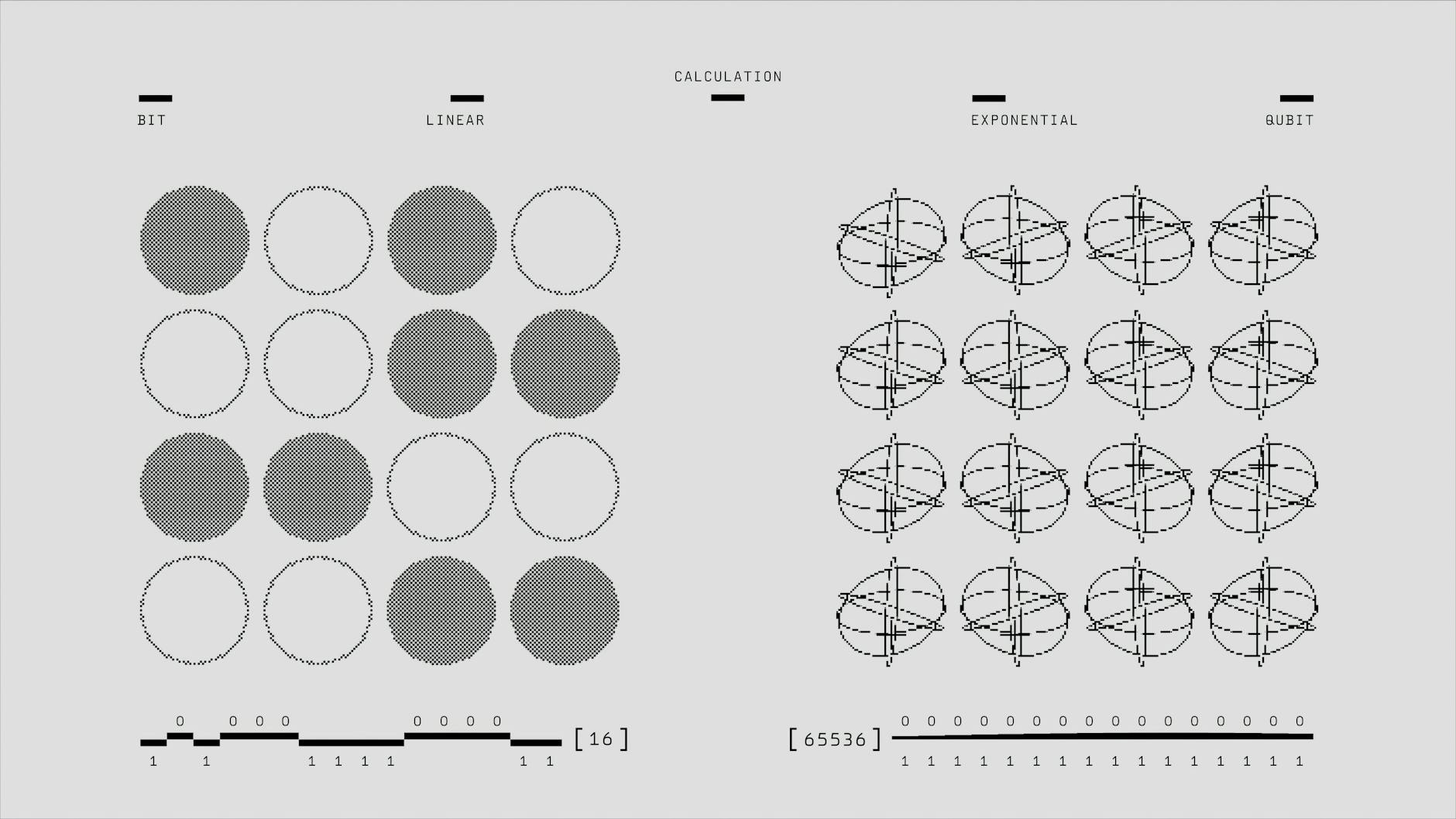
A visualization of a highly autonomous spacecraft navigating an asteroid field, powered by onboard quantum computing for real-time trajectory adjustments.
B. The Rise of the Orbital Economy
The advent of robust space-based quantum networks will underpin the burgeoning orbital economy. This includes not only enhanced satellite services but also novel applications such as:
- Space-Based Manufacturing: Utilizing microgravity for creating advanced materials and quantum components.
- Resource Exploration: Employing quantum sensors for more accurate identification and mapping of extraterrestrial resources.
- Secure Global Connectivity: Providing an unhackable communication backbone for critical infrastructure, finance, and defense.
C. Geopolitical and Security Implications
The development of quantum technologies in space has significant geopolitical ramifications. Nations are increasingly embedding quantum capabilities into their national security strategies, recognizing their potential to confer strategic advantages. The race for quantum supremacy in space necessitates international collaboration while also raising concerns about quantum-enabled cyber threats and the need for post-quantum cryptography to secure space assets.
IV. Challenges and Ethical Considerations
Despite the immense promise, the path forward for space-based quantum technologies is not without its hurdles. Addressing these challenges proactively is crucial for responsible development and equitable deployment.
A. Technical and Engineering Hurdles
Key technical challenges include:
- Environmental Robustness: Ensuring quantum systems can withstand radiation, extreme temperatures, and vibrations.
- Scalability: Developing quantum repeaters and entanglement distribution systems for global networks.
- Integration: Seamlessly integrating quantum components with existing classical space infrastructure.
- Size, Weight, and Power (SWaP): Miniaturizing quantum payloads for satellite deployment.
B. Regulatory and Standardization Frameworks
The rapid evolution of quantum technologies necessitates the development of adaptable and proportionate regulatory frameworks. International collaboration on standards for quantum communication and computing in space is essential to ensure interoperability, security, and responsible innovation. Issues such as spectrum allocation, data governance, and international agreements for space-based quantum services will require careful consideration.
C. Ethical Dimensions of Quantum Advancement
As quantum technologies mature, so too do the ethical considerations surrounding their application. Key ethical dilemmas include:
- Privacy and Surveillance: The potential for quantum computers to break current encryption raises concerns about data privacy and the possibility of enhanced surveillance capabilities.
- Algorithmic Bias: Ensuring quantum algorithms, particularly in AI applications, are free from bias and promote fairness.
- Equitable Access: Guaranteeing that the benefits of quantum technology are accessible globally and do not exacerbate existing inequalities.
- Dual-Use Potential: Managing the inherent dual-use nature of quantum technologies, which can be applied for both civilian and military purposes.
The integration of quantum technologies into space is not merely an incremental upgrade; it represents a fundamental leap forward. The challenges are significant, but the potential rewards – from unlocking the universe’s deepest secrets to forging an unbreakably secure global network – are immeasurable. As we stand on the precipice of this quantum-spatial revolution, a concerted, collaborative, and ethically guided approach will be paramount to navigating this new frontier and ushering in an era of unprecedented human achievement.

A wide-angle shot of Earth from space, with a subtle overlay of quantum network lines connecting continents, symbolizing global quantum connectivity.
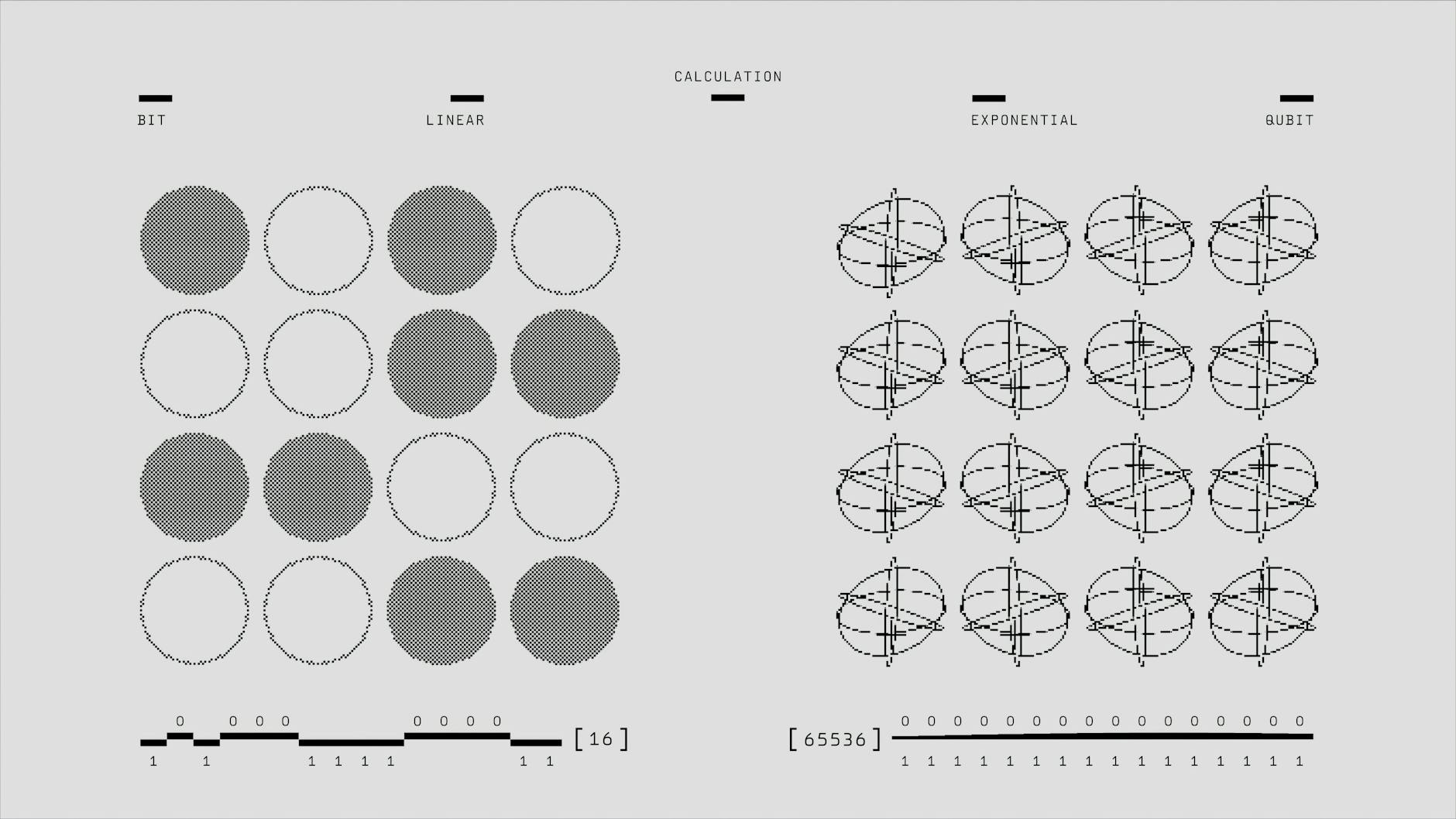
A close-up of a quantum qubit, depicted as a shimmering, ethereal sphere, representing the fundamental unit of quantum information.
A conceptual diagram showing the layered architecture of a future space-based quantum network, including satellites, ground stations, and quantum repeaters.