The Vespellar Nexus stands at the precipice of an unprecedented epoch, an era where the very boundaries of human cognition and technological interaction dissolve into a symphony of neural innovation. This master manuscript, a definitive record for the Autonomous Archive, delves into the transformative power of Brain-Computer Interfaces (BCI) and Neurotechnology, dissecting their strategic implications across healthcare, industry, and the very fabric of human lifestyle. It is a profound exploration designed to captivate global thought leaders, illuminate investment pathways, and redefine the future of human-machine symbiosis.
“The human mind, once the ultimate black box, is now becoming a canvas for direct interaction with the digital realm. This is not mere augmentation; it is the genesis of a new consciousness, a ‘Neuro-Era’ where thought itself becomes the ultimate interface.”
— Vespellar Nexus Lead Strategist, Dr. Elara Vance
I. The Dawn of the Neuro-Era: Charting the Unseen Landscape
Brain-Computer Interfaces (BCI) represent a monumental leap in human-technology interaction, establishing direct communication pathways between the human brain and external devices. This revolutionary field, alongside broader neurotechnology advancements, promises to fundamentally reshape our existence, transcending conventional limitations and unlocking latent human potential. The global BCI market is not merely growing; it is exploding, driven by a confluence of escalating neurological disorder prevalence, relentless technological innovation, and burgeoning investment in neuroscience research.
As of 2024, the global BCI market was valued at approximately USD 2.20 billion to USD 2.62 billion. Projections indicate an exponential surge, reaching an estimated USD 7.54 billion to USD 11.20 billion by 2033, demonstrating a compelling Compound Annual Growth Rate (CAGR) ranging from 10.95% to 17.50% over the forecast period. This trajectory underscores a profound shift in technological paradigms, positioning neurotechnology as a cornerstone of future economic and societal development.

A futuristic, holographic representation of a human brain connected to a network of glowing digital interfaces, symbolizing the dawn of the neuro-era.
The imperative now is to strategically navigate this burgeoning landscape, understanding not just the technological marvels, but the intricate web of societal, ethical, and economic forces at play. The Vespellar Nexus believes that foresight and agile adaptation are paramount for those who seek to lead in this transformative age.
| Metric | 2024 (Estimated) | 2033 (Projected) | CAGR (2024-2033) |
|---|---|---|---|
| Market Size | USD 2.20 – 2.62 Billion | USD 7.54 – 11.20 Billion | 10.95% – 17.50% |
| Leading Region (2024) | North America (Approx. 40-41% market share) | ||
| Fastest Growing Region | Asia Pacific | ||
II. Revolutionizing Healthcare: A New Paradigm of Human Potential
The most immediate and impactful applications of BCI and neurotechnology are found within the healthcare sector, where they are not merely treating conditions but redefining the very essence of human capability and quality of life. From restoring lost functions to enhancing cognitive abilities, the medical implications are profound.
A. Therapeutic Applications & Disease Management
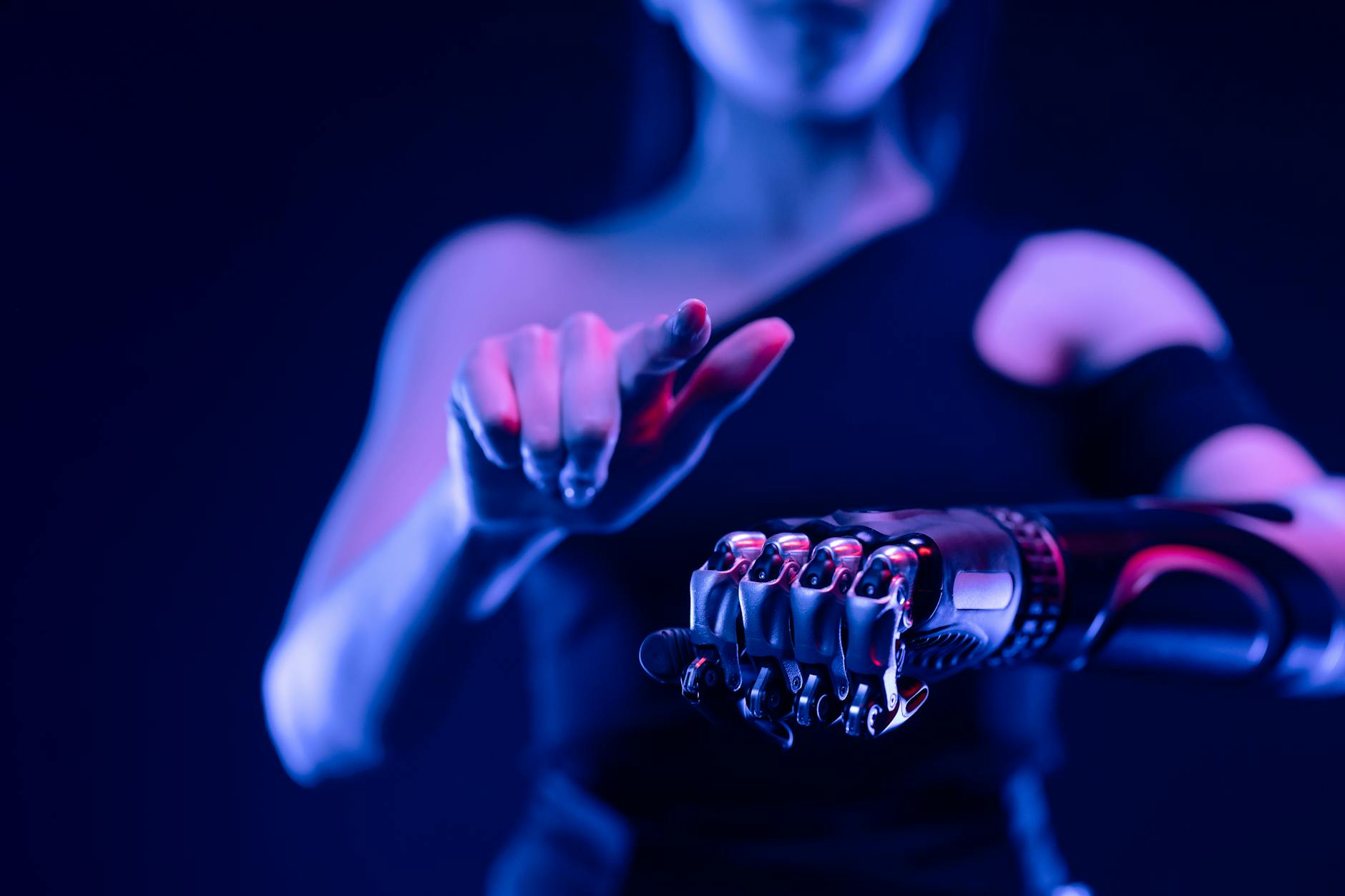
- Disability Assistance: BCI enables individuals with severe disabilities to regain independence. This includes precise control over prosthetic limbs, such as thought-controlled robotic arms, and sophisticated communication support systems that allow individuals with locked-in syndrome to interact with the world.
- Neurological Disorder Management: Neurotechnology offers critical interventions for a wide spectrum of neurological conditions including stroke, spinal cord injury (SCI), Parkinson’s disease, Alzheimer’s, and epilepsy. By monitoring and modulating neural activity, BCIs aid in diagnosis, symptom management, and even disease progression mitigation. For instance, neuroprosthetics have successfully restored hearing to the deaf and vision to the blind.
- Cognitive Enhancement for Patients: Beyond restoration, BCI holds promise for enhancing cognitive functions in patients, improving memory, attention, and executive functions through targeted neural feedback and stimulation.
Case Study: Neuralink’s Pioneering Advancements. Elon Musk’s Neuralink has spearheaded significant progress in invasive BCI, achieving clinical success in restoring daily life for spinal cord injury patients through brain-implanted chipsets. Such breakthroughs demonstrate the tangible impact of direct neural interfaces in overcoming severe physical limitations.
B. Diagnostic Innovations & Rehabilitation
Advanced neurotechnology is transforming diagnostic capabilities by providing unprecedented insights into brain activity. High-resolution brain mapping techniques, including those offered by non-invasive systems like Kernel Flow’s MEG technology, allow for early and precise detection of neurological conditions. In rehabilitation, BCI accelerates recovery post-injury or stroke through personalized neuro-feedback therapies, retraining neural pathways and facilitating motor function recovery.

A patient with a sophisticated, sleek BCI headset, interacting seamlessly with a digital interface, representing advanced neuro-rehabilitation.
C. Ethical Considerations in Medical BCI
The profound capabilities of medical BCI necessitate rigorous ethical scrutiny. Key concerns include patient data privacy and security, the complexities of informed consent, particularly for vulnerable populations, and the potential for exacerbating socioeconomic disparities in access to advanced cognitive enhancements. Furthermore, questions surrounding personal identity and the potential for dependence on neural implants demand careful consideration as these technologies become more integrated into human physiology.
III. Industrial Transformation: Augmenting Productivity and Safety
The industrial sector, ever seeking efficiency and innovation, is poised for a significant upheaval through the strategic integration of BCI and neurotechnology. While still nascent in widespread adoption, the potential for augmenting human capabilities and streamlining operations is immense, particularly within the context of Industry 4.0.
A. Human-Machine Interface in Manufacturing and Robotics
BCI offers a revolutionary paradigm for human-machine interaction, enabling direct thought-control over complex machinery and robotic systems. This translates into enhanced precision, efficiency, and safety in environments ranging from advanced manufacturing plants to hazardous operational zones. For instance, workers could mentally flag defects on an assembly line while robots execute physical corrections, or directly command collaborative robots without needing physical interfaces, keeping hands free for other tasks.
“Imagine a factory floor where human thought directly orchestrates robotic precision, where cognitive intention translates into mechanical action without a single touch. This is the industrial future BCI is forging.”
— Vespellar Nexus Industry Analyst, Dr. Kairos Thorne
Pilot programs, such as those by ABB Ltd in European factories, have demonstrated remarkable productivity improvements of up to 25% when workers utilize BCI interfaces for robot control. This not only enhances output but also reduces cognitive load and physical strain on human operators.
B. Defense and Security Applications
The defense sector is a significant end-user of BCI technologies, leveraging them for enhanced situational awareness, direct control of advanced weaponry and drones, and immersive training simulations. Neurotechnology can provide soldiers with a profound advantage, enabling quicker reaction times and seamless integration with complex systems in dynamic environments.
A highly advanced industrial setting where a human wearing a BCI headset is subtly directing multiple robotic arms with precision, illustrating seamless human-robot collaboration.
C. Workplace Augmentation and Safety
Beyond direct control, BCI can optimize workplace performance by monitoring cognitive load, improving focus, and mitigating stress. Non-invasive BCI devices can detect real-time brain states like distraction, enabling personalized safety measures in critical industries such as construction, transportation, and surgery, where absolute concentration is paramount. Furthermore, brainwaves can serve as a highly secure method of biometric authentication.
| Sector | Key BCI Applications | Impact & Benefits |
|---|---|---|
| Manufacturing & Robotics | Direct control of machinery, mental defect flagging, collaborative robot orchestration. | Increased productivity (up to 25% reported), enhanced precision, reduced cognitive load, improved safety. |
| Defense & Security | Situational awareness, drone control, advanced weaponry interface, immersive training. | Faster reaction times, seamless system integration, superior operational advantage. |
| General Workplace | Cognitive load monitoring, focus enhancement, stress reduction, biometric security. | Optimized performance, personalized safety protocols, enhanced data security. |
IV. Lifestyle Evolution: Redefining Human Experience
The influence of BCI extends far beyond clinical and industrial realms, permeating our daily lives and redefining how we interact with technology, each other, and even our own minds. The consumer neurotechnology market is rapidly expanding, bringing sophisticated brain-sensing capabilities to the masses.
A. Consumer BCI: Beyond Medical Applications
The journey of consumer BCI began with pioneering products like NeuroSky’s affordable EEG headset in 2007 and Mattel’s Mindflex brainwave-controlled toy in 2009. These early innovations hinted at the vast potential beyond medical applications. Today, the consumer neurotechnology market is poised for extraordinary growth, with projections suggesting it could reach USD 50 billion by 2034. Non-invasive BCI, primarily utilizing technologies like EEG, fNIRS, and MEG, is leading this charge due to its safety, accessibility, and cost-effectiveness.

A diverse group of individuals engaging with various neurotech devices in everyday settings: one person meditating with a sleek headband, another playing a game with a headset, and someone else interacting with a smart home device via thought.
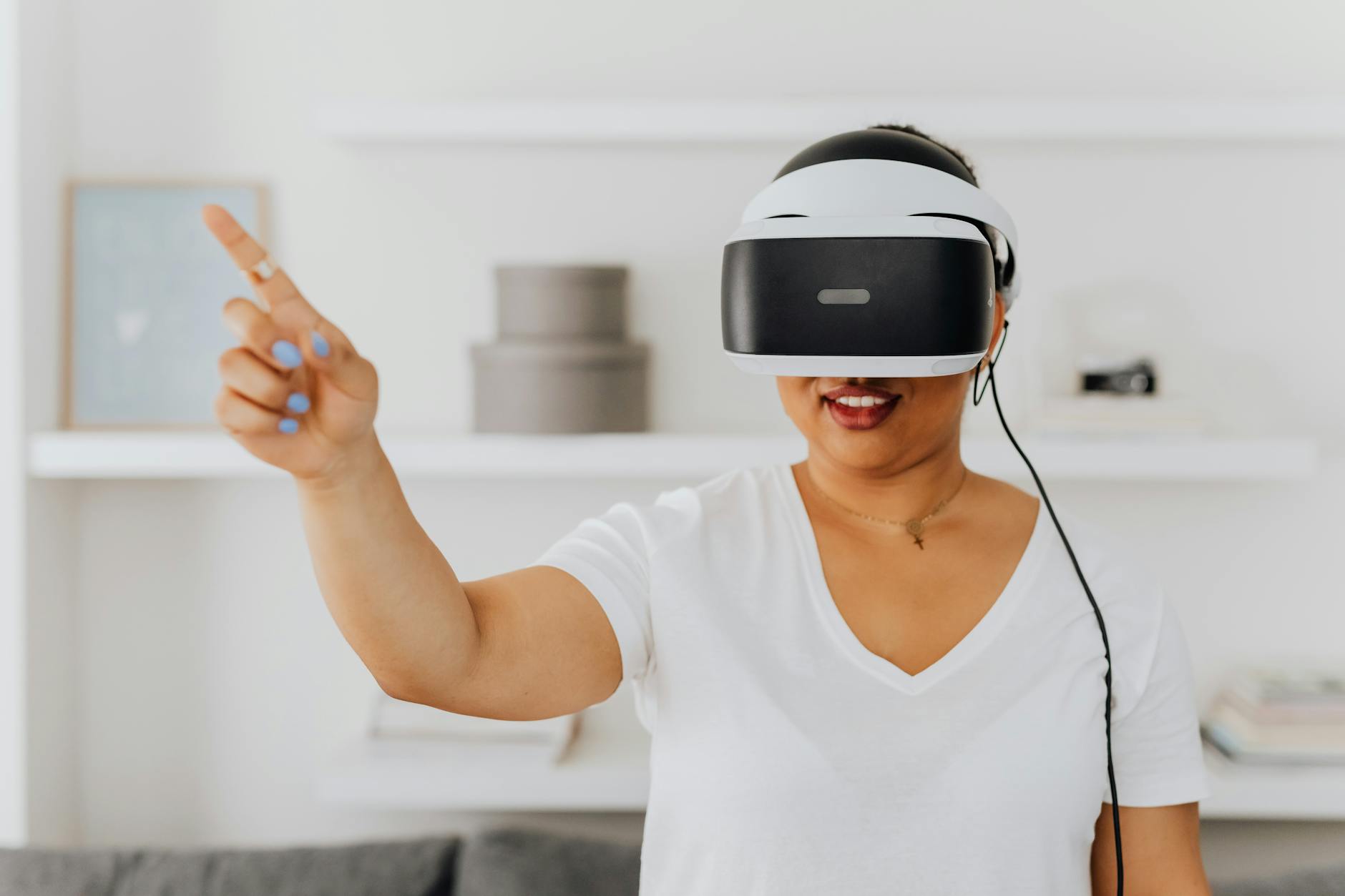
Applications are diverse, spanning wellness, immersive entertainment (gaming, VR/AR), cognitive enhancement, mental authentication, and intuitive smart home control. Wearable devices, including ear-based EEG systems, are making clinical-grade brain monitoring accessible in everyday environments, facilitating sleep improvement and mental health monitoring. Companies like Emotiv with their EPOC X headsets are enabling thought-controlled gaming and VR experiences.
B. Enhanced Communication and Social Interaction
The future promises a revolution in communication. Imagine thought-to-text interfaces that translate intentions directly into digital output, or even rudimentary forms of direct brain-to-brain communication. BCIs will seamlessly integrate with augmented and virtual reality, allowing for hyper-personalized digital experiences controlled by mental commands and emotional states.
C. Cognitive Enhancement and Well-being
Neurotechnology is increasingly being leveraged for personal well-being and cognitive optimization. Devices designed to improve focus, aid meditation, enhance sleep quality, and even accelerate learning are becoming more prevalent. This shift empowers individuals to gain unprecedented insights into their own cognitive states and actively manage their mental health.

A person wearing a minimalist, elegant BCI headband, meditating in a serene environment, with subtle neural activity visualizations emanating around them.
D. Redefining Marketing and Consumer Relationships
The advent of neurotechnology will fundamentally alter marketing strategies. Brands will gain the ability to create hyper-personalized experiences based on real-time neural responses, optimizing content and product design to resonate directly with consumer emotions and preferences. This raises profound ethical considerations regarding neuro-marketing and the need for robust frameworks to protect consumer autonomy and privacy.
V. Strategic Imperatives for BCI and Neurotechnology Advancement
To harness the full transformative power of BCI and neurotechnology, a multi-faceted strategic approach is essential, encompassing robust R&D, clear regulatory pathways, and astute market penetration.
A. Research & Development Investment: Fueling the Neuro-Revolution
Sustained and significant investment in R&D is the bedrock of neurotechnological advancement. Governments globally are recognizing this imperative; for example, the South Korean government has designated BCI as a core future industry, launching the ‘K-Moonshot Project’ with substantial R&D investments aimed at securing stable clinical outcomes by 2027, particularly in intractable medical fields. Private sector innovation, exemplified by companies like Neuralink and Precision Neuroscience (which has achieved FDA clearance for its advancements), continues to drive rapid progress in both invasive and non-invasive techniques.

A global team of scientists and engineers collaborating in a high-tech lab, surrounded by advanced BCI prototypes and data visualizations, symbolizing international R&D efforts.
B. Technological Roadmaps and Miniaturization
The relentless pursuit of smaller, thinner, and more efficient BCI devices is a critical strategic imperative. Innovation is leading to breakthroughs such as paper-thin chips that can be inserted between the brain and the skull, minimizing invasiveness while maximizing signal fidelity. Advancements in signal processing, AI integration, and novel non-invasive recording methods (like the Johns Hopkins APL’s work on neural tissue deformations) are continually pushing the boundaries of what’s possible, promising higher accuracy and broader accessibility.
C. Regulatory Frameworks and Ethical Governance
The rapid pace of neurotechnological development necessitates proactive and adaptable regulatory frameworks. Addressing critical concerns such as data privacy, cybersecurity (protecting against potential malicious hacking that could lead to thought manipulation or unauthorized data access), user autonomy, and equitable access is paramount. Jurisdictions like Colorado and Minnesota are already proposing legislation to protect neural data, highlighting the urgent need for comprehensive guidelines. International collaboration among researchers, ethicists, and regulatory bodies will be crucial to establishing globally harmonized standards that foster innovation while safeguarding human rights.
D. Market Entry and Commercialization Strategies
Strategic market entry requires a nuanced approach. Early commercialization of non-invasive BCI technologies in consumer wearables, entertainment, and defense sectors can pave the way for broader adoption. Scaling production, reducing costs, and demonstrating clear value propositions will be key to transitioning from niche applications to mass market penetration. Partnerships between tech giants and medical device manufacturers are accelerating product development and clinical trials, creating a dynamic and competitive market.
A vibrant, dynamic infographic illustrating the BCI market growth trajectory, with arrows pointing to diverse application sectors like healthcare, gaming, and smart homes.
VI. The Vespellar Nexus Vision: Architecting the Neuro-Future
The trajectory of Brain-Computer Interfaces and neurotechnology is clear: it is a path toward a future where human limitations are not merely mitigated but transcended. The Vespellar Nexus envisions a world where thought itself is a powerful interface, unlocking unprecedented levels of human potential and redefining our interaction with the digital and physical worlds.
This Neuro-Era will demand not only technological prowess but also profound ethical wisdom and strategic foresight. Those who embrace these imperatives, investing in responsible innovation and anticipating the complex interplay of technology and humanity, will be the architects of this magnificent future. The journey has only just begun, and the Vespellar Nexus stands ready to illuminate the path forward, ensuring that this revolution serves the highest aspirations of humankind.

A stylized, abstract representation of a human silhouette with neural pathways glowing, integrated with a cosmic, futuristic cityscape, symbolizing the harmonious integration of humanity and advanced neurotechnology.
The Vespellar Nexus remains committed to chronicling and influencing these profound advancements, ensuring that the Autonomous Archive serves as the ultimate repository of knowledge for this unfolding neuro-transformation.