The Vespellar Nexus presents this Autonomous Archive Blueprint: a definitive exploration into the transformative power of Brain-Computer Interfaces (BCI) and advanced Neurotechnology. As direct conduits between the human mind and external systems, these innovations are not merely incremental advancements; they herald a seismic shift, redefining the very essence of human potential and interaction across global healthcare, industrial paradigms, and individual lifestyles. This master manuscript delves into the strategic implications, offering a profound analysis for global leaders navigating the unfolding neuro-frontier.
A futuristic, sleek Brain-Computer Interface headset glowing with subtle blue light, overlaid on a stylized neural network, symbolizing the connection between mind and machine. The background is a blurred, high-tech urban landscape at dawn.
1. The Dawn of the Neuro-Era: Foundations of Brain-Computer Interfaces and Neurotechnology
The concept of connecting the human brain directly to external devices, once confined to the realm of speculative fiction, is now a tangible reality, rapidly advancing through the relentless innovation in Brain-Computer Interfaces (BCIs) and neurotechnology. Pioneering research initiated by Jacques Vidal in the 1970s laid the groundwork for this revolutionary field, introducing the very term ‘brain-computer interface’ into scientific discourse. Today, BCIs are direct communication pathways that translate neural signals into commands, bypassing conventional neuromuscular pathways to control computers, robotic limbs, and other electronic devices.
1.1. Defining the Spectrum: Types of BCIs and Neurotechnologies
Neurotechnology, a broader field, encompasses any device or tool that interacts with the brain or nervous system to monitor, influence, or repair neural activity. BCIs, as a core component of neurotechnology, are primarily categorized by their invasiveness:
Invasive BCIs: These systems require surgical implantation of electrodes directly into the cerebral cortex or deep brain nuclei. They offer superior signal quality and spatial resolution, enabling highly precise control for critical applications. Examples include microelectrode arrays (e.g., Utah Array), electrocorticography (ECoG), stereo-electroencephalography (sEEG), and deep brain stimulation (DBS) electrodes. Companies like Neuralink and Blackrock Neurotech are at the forefront of invasive BCI development.
Partially Invasive BCIs: These involve implanting electrodes within the skull but on the brain’s surface, such as ECoG. They strike a balance between signal quality and invasiveness.
Non-Invasive BCIs: These measure brain activity from outside the skull, typically using surface electrodes placed on the scalp. While safer and easier to deploy, they generally offer lower signal clarity and spatial resolution compared to invasive methods. Common non-invasive techniques include Electroencephalography (EEG), Functional Near-Infrared Spectroscopy (fNIRS), and Magnetoencephalography (MEG). Consumer-grade EEG headsets from companies like Emotiv and NeuroSky have made neurotechnology more accessible.
A detailed infographic illustrating the three main types of BCIs (invasive, partially invasive, non-invasive) with anatomical diagrams showing electrode placement and corresponding signal quality/risk levels.
2. Revolutionizing Healthcare: A Paradigm Shift in Medical Intervention
The medical sector stands on the precipice of its most profound transformation, driven by BCI and neurotechnology. These advancements promise to redefine treatment modalities, restore lost functions, and usher in an era of hyper-personalized medicine.
2.1. Restoration of Function and Enhanced Rehabilitation
For individuals grappling with severe neuromuscular disorders or paralysis, BCIs offer an unprecedented pathway to regain autonomy. They enable communication and control over external devices through thought alone.
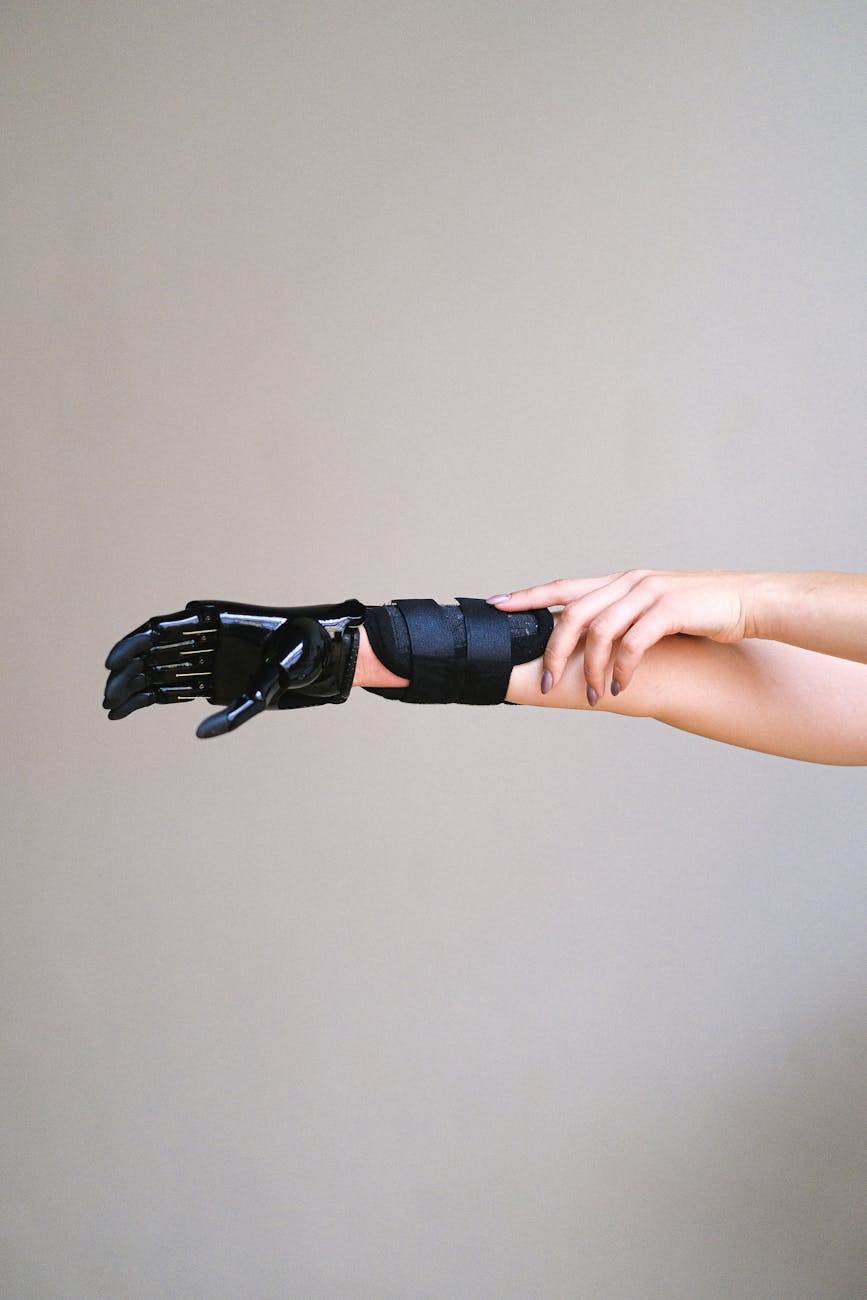
Neuroprosthetics: Patients with limb loss or paralysis can intuitively control robotic arms, prosthetic limbs, and exoskeletons, effectively restoring motor function. Innovations like the Utah array have facilitated cursor movement and robotic arm control for paralyzed individuals.
Communication Systems: For those with ‘locked-in syndrome’ or severe speech impairments, BCIs translate brain signals into synthesized speech or text, offering a voice where none existed. Research is even exploring the decoding of ‘inner speech’ to facilitate communication.
Mobility Aids: BCI-controlled wheelchairs and other assistive devices provide granular control, enhancing the mobility and independence of users.
Rehabilitation: BCIs are being developed as rehabilitation tools to help patients regain motor skills lost due to stroke or spinal cord injuries, leveraging neuroplasticity for recovery.
2.2. Advanced Diagnostics and Therapeutic Interventions
Neurotechnology is not just about restoring; it’s about understanding and repairing the nervous system with unprecedented precision.
Neurological Disorder Treatment: Deep Brain Stimulation (DBS), a form of invasive neurotechnology, is already a proven treatment for Parkinson’s disease, essential tremor, and certain forms of epilepsy. New research shows promise for treating Alzheimer’s, major depression, and chronic pain.
Mental Health Management: Non-invasive neurostimulation techniques like transcranial magnetic stimulation (TMS) and transcranial direct current stimulation (tDCS) are showing positive results for depression and anxiety, influencing brain activity for therapeutic purposes. Neurofeedback systems also aid in stress reduction and emotional regulation.
Personalized Medicine & Diagnostics: Real-time brain activity monitoring through neurotechnology enables more accurate diagnosis of conditions like brain tumors, strokes, and sleep disorders. This data can guide pharmacological interventions, optimize dosages, and predict treatment efficacy, leading to highly personalized treatment plans.
Case Study: Synchron Stentrode
Synchron’s Stentrode device offers a less invasive approach to BCI, threading neural implants through blood vessels to avoid open-brain surgery. This innovation reduces surgical risks while still providing robust neural signal acquisition, demonstrating a critical step towards broader clinical adoption for conditions like paralysis.
A patient with a sophisticated, subtle BCI device seamlessly integrated with a robotic prosthetic arm, demonstrating fluid, thought-controlled movement in a modern rehabilitation center. The patient has a look of empowerment.
3. Transforming Industries: The Neuro-Industrial Revolution
Beyond healthcare, BCI and neurotechnology are poised to instigate a profound transformation across diverse industrial sectors, enhancing human-machine collaboration, boosting productivity, and ensuring safety in hazardous environments.
3.1. Manufacturing and Robotics: Seamless Human-Cobot Interaction
Industry 4.0’s vision of cyber-physical systems is being realized through neurotechnology, particularly in the realm of human-robot collaboration.
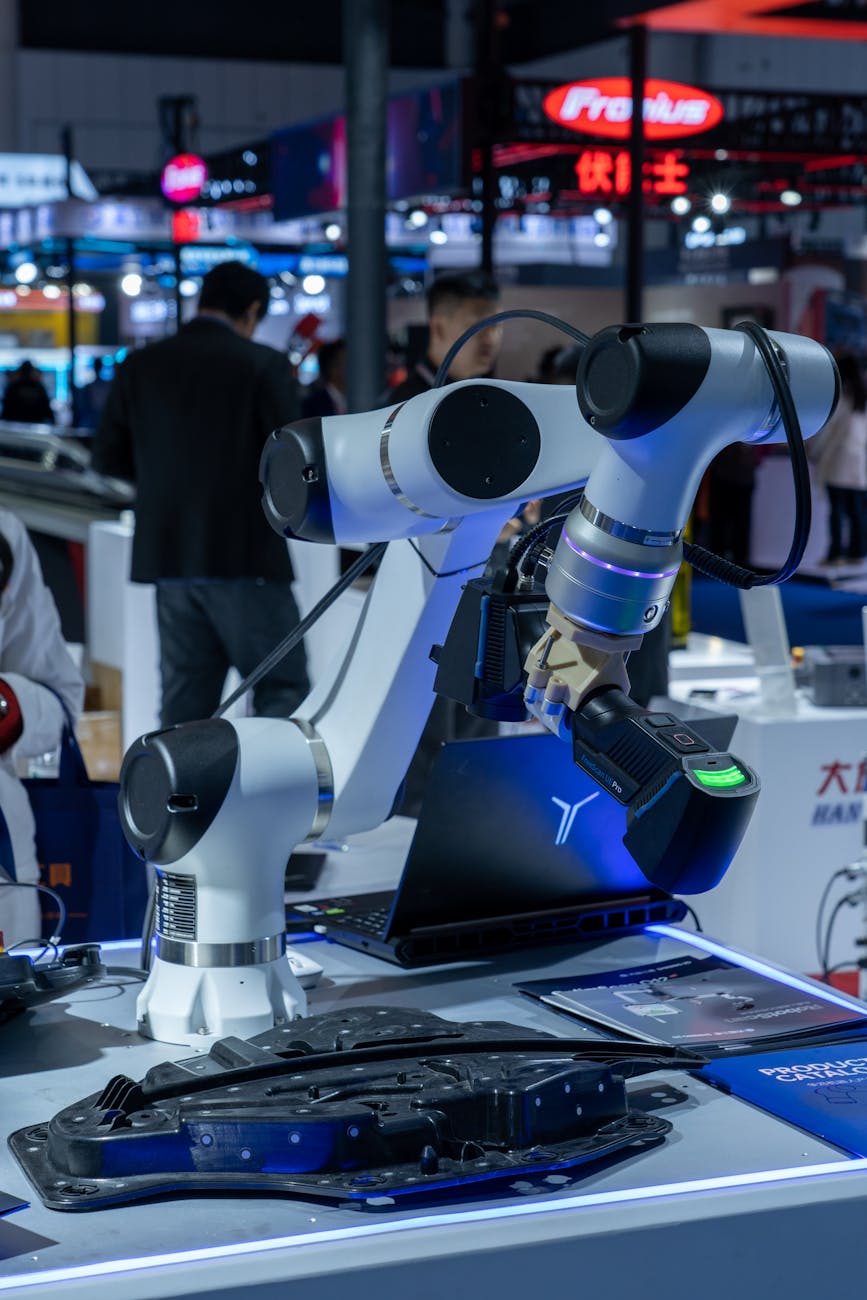
Direct Robot Control: BCIs allow operators to control industrial robots and ‘cobots’ (collaborative robots) using their thoughts, simplifying complex tasks and improving precision, especially in situations where voice or manual commands are impractical.
Optimized Human Performance: Passive BCIs can monitor an operator’s cognitive load, attention levels, and mental state in real-time, allowing systems to adapt workloads or provide assistance to prevent fatigue and errors, thereby enhancing safety and productivity.
Adaptive Training: Neurofeedback and BCI-based adaptive training can reinforce learning processes for complex industrial procedures, accelerating skill acquisition and improving retention.
3.2. Defense, Security, and High-Stakes Operations
The military and security sectors are exploring neurotechnology for augmenting soldier capabilities and improving operational efficiency in critical situations.
Enhanced Operator Performance: In complex control systems, such as drone operation or advanced vehicle command, BCIs can improve reaction times and decision-making by providing a direct thought-to-action interface.
Remote Control: BCI-controlled robots could assist personnel in hazardous environments, such as bomb disposal or exploration in dangerous terrains, minimizing human risk.
3.3. Education and Training: Accelerated Learning and Skill Acquisition
Neurotechnology offers revolutionary approaches to learning and skill development.
Personalized Learning: By monitoring brain states related to focus and comprehension, BCI systems can adapt educational content in real-time to optimize learning efficiency for individual students.
Accelerated Skill Transfer: Future applications may involve direct neural encoding of skills, potentially reducing the time required for mastering complex tasks, from surgical procedures to piloting aircraft.
A factory floor where a human worker wearing a subtle, non-invasive BCI headset is seamlessly directing a collaborative robot arm with a focused expression. The environment is clean, high-tech, and efficient.
4. Reshaping Lifestyle and Society: The Augmented Human Experience
As neurotechnology permeates daily life, it promises to fundamentally alter how individuals interact with their environment, each other, and even their own cognitive processes, leading to an augmented human experience.
4.1. Augmented Cognition and Human Enhancement
The most profound societal impact of neurotechnology lies in its potential for human enhancement, pushing beyond therapeutic applications to augment normal cognitive abilities.
Cognitive Enhancement: BCIs and neurostimulation devices hold promise for improving memory, attention, learning, and deliberation in healthy individuals. This could range from non-invasive neurofeedback to more advanced invasive methods aimed at boosting cognitive functions.
Personalized Digital Interaction: Imagine controlling smart home devices, navigating digital interfaces, or even composing music purely through thought. BCIs could make digital interactions more intuitive and seamless.
Neurogaming and Immersive Entertainment: Neurogaming allows players to control games using their brainwaves, offering unprecedented levels of immersion and